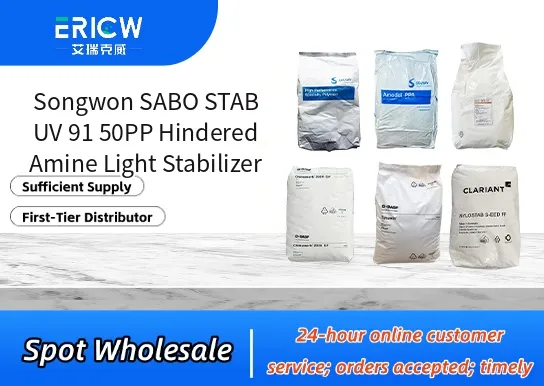
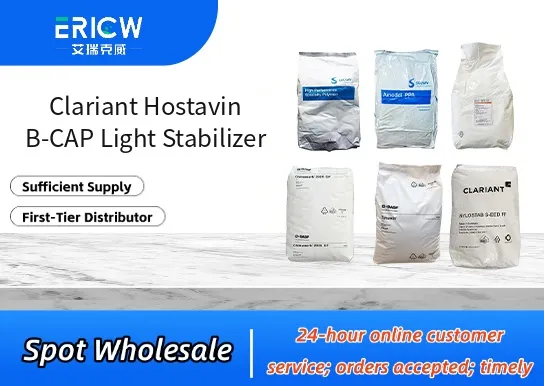
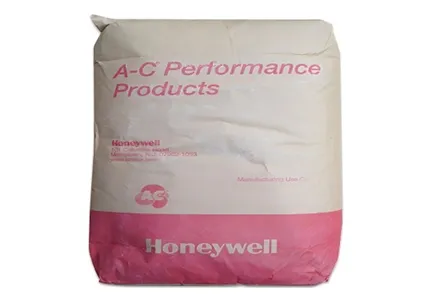
High molecular weight polymeric hindered amine offering exceptional long-term UV stability and thermal resistance.
Low volatility and excellent compatibility with polyolefins, engineering plastics, and elastomers.
Non-migrating structure ensures outstanding permanence and reduced blooming or plate-out in demanding applications.
Effective in both thin-section and thick-section articles due to efficient radical scavenging and peroxide decomposition mechanisms.
Compatible with other additives including antioxidants, UV absorbers, and pigments—enabling synergistic stabilization systems.
Automotive interior and exterior plastic components (e.g., dashboards, bumpers, trim).
Agricultural films and greenhouse covers requiring extended outdoor durability.
Geotextiles and geomembranes exposed to intense solar radiation and environmental stress.
Rotomolded tanks, playground equipment, and outdoor furniture made from polyethylene and polypropylene.
Cable sheathing and insulation materials for telecommunications and power distribution infrastructure.
| Chemical Type | Polymeric hindered amine light stabilizer (HALS) |
| Product Form | Free-flowing granules |
| Appearance | Off-white to light beige granules |
| Molecular Weight (approx.) | 2,200 g/mol |
| Primary Applications | Polyolefins (PP, PE), engineering thermoplastics, elastomers |
| Key Features | High molecular weight, low volatility, non-migrating, excellent processing stability |
| Benefits | Long-term UV protection, minimal impact on mechanical properties, good color retention |
| Recommended Use Level | 0.1–0.5 wt% depending on substrate and end-use requirements |
Q1: What is the primary stabilization mechanism of Chimassorb 944?
A: Chimassorb 944 functions primarily through the hindered amine light stabilizer (HALS) mechanism, where it forms stable nitroxyl radicals that scavenge damaging alkyl and peroxy radicals generated during UV exposure. It also regenerates over time, providing long-term protection in polymeric systems.
Q2: In which polymer types is Chimassorb 944 most commonly used?
A: Chimassorb 944 is widely employed in polyolefins—especially polyethylene and polypropylene—due to its excellent compatibility and thermal stability. It is also frequently used in engineering thermoplastics such as polyamides and ABS, particularly in outdoor applications requiring extended UV resistance.
Q3: How does Chimassorb 944 compare to low-molecular-weight HALS in terms of migration and volatility?
A: As a high-molecular-weight polymeric HALS, Chimassorb 944 exhibits significantly lower tendency to migrate, bloom, or volatilize compared to low-MW alternatives. This makes it especially suitable for demanding applications such as thin films, extruded profiles, and products requiring long service life under thermal or mechanical stress.
Q4: Can Chimassorb 944 be used in combination with other additives?
A: Yes, Chimassorb 944 is generally compatible with common antioxidants (e.g., phenolic and phosphite types), UV absorbers (e.g., benzotriazoles), and pigments. However, synergistic or antagonistic interactions may occur depending on formulation specifics—compatibility testing under intended processing and end-use conditions is recommended.
Q5: What is the typical dosage range for Chimassorb 944 in polyolefin applications?
A: Dosage depends on polymer type, thickness, exposure conditions, and performance requirements, but Chimassorb 944 is typically used at low concentrations—generally ranging from 0.1% to 2% by weight—with many standard applications falling between 0.2% and 0.8%.
Contact With Us:
E-mail: wangxingqiang@ericwchem.com
Have a Questions? Call Us:
Add:
Building A1, Jiete Industrial Park, Huangpu District, Guangzhou City, Guangdong Province, China
 English
 Español
 tiếng việt
 русский