English
 Español
 tiếng việt
 русский
Cellulose ethers are vital components in numerous industrial applications, recognized for their versatile functionality and multifaceted benefits. Derived from cellulose, the most abundant organic polymer on Earth, these compounds are modified to varying chemical structures, providing diverse properties suitable for use in an array of products. From pharmaceuticals to foods, their ability to act as thickeners, binders, film formers, and more makes them indispensable.
Businesses searching for synthetic resin products and cellulose ether applications often rely on reputable cellulose ether manufacturers or sourcing from a professional cellulose ether factory to ensure quality and consistency. This article examines what cellulose ethers are, their production processes, applications, advantages over other thickeners, and their safety profiles.
Cellulose ethers are derivatives of cellulose, incorporating ether groups through various chemical reactions. These modifications make them water-soluble and impart unique properties tailored to industry needs, such as thickeners in food products and stabilizers in pharmaceuticals. The fundamental structure of cellulose comprises glucose units forming long chains, and modification involves substituting hydroxyl groups with ether groups, creating a diverse category of materials.
Examples include methyl cellulose (MC), hydroxypropyl methylcellulose (HPMC), and carboxymethyl cellulose (CMC).
Cellulose Ether Type | Characteristic | Common Use |
Methyl Cellulose (MC) | Thermogelation, film-forming | Construction, pharmaceuticals |
Hydroxypropyl Methylcellulose (HPMC) | Water retention, thickening | Foods, eye drops |
Carboxymethyl Cellulose (CMC) | Solubility in cold and hot water | Foods, personal care |
The versatility of cellulose ethers allows cellulose ether manufacturers to tailor products for specific needs, ensuring industries relying on synthetic resin types or paint additives can achieve optimal performance. Whether utilized as a wetting agent in pharmaceuticals or a leveling agent in coatings, sourcing from a certified cellulose ether factory guarantees consistent quality.
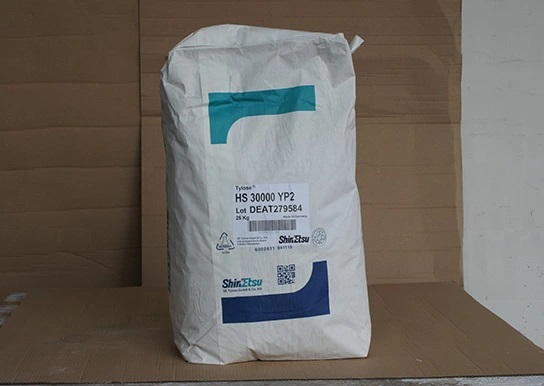
The production of cellulose ethers involves treating cellulose with a mixture of chemicals under controlled conditions, including alkalization, etherification, and purification.
The alkalization stage activates cellulose using a strong base.
Etherification reacts alkali cellulose with ether-reacting chemicals such as ethylene glycol for sale or propylene glycol butyl ether, introducing functional groups that alter solubility and viscosity.
Purification removes unreacted materials and byproducts, ensuring high-quality cellulose ether.
Advanced defoaming agent technology is essential in modern production. By adding anti foaming agents and defoamers, cellulose ether manufacturers eliminate unwanted foam during processing, ensuring consistent product quality. Working with an experienced cellulose ether factory helps industries transition to more sustainable and efficient production methods.
The multifunctional properties of cellulose ethers make them invaluable in pharmaceuticals and food.
Pharmaceuticals: Used as thickening agents for gels and suspensions or film-formers for tablet coatings, ensuring stability and controlled release. Plant-based cellulose ethers from a reliable cellulose ether factory also support sustainability goals.
Food Industry: Serve as emulsifiers, stabilizers, and thickening agents, maintaining the consistency of sauces, ice creams, and dressings. Non-caloric properties make them ideal for low-fat or reduced-calorie products.
In addition, titanium dioxide in cosmetics often employs cellulose-based thickeners for smooth application, highlighting the versatility of products supplied by professional cellulose ether manufacturers.
Compared to other thickeners, cellulose ethers offer notable benefits:
Sustainability: Plant-derived and environmentally friendly.
Safety: Proven non-toxic, low allergenic potential, and excellent biodegradability.
Performance Reliability: Unlike acrylic resin or other synthetic polymer resins, cellulose ethers maintain stability under varied climate conditions and storage environments.
Multifunctionality as a thickener, emulsifier, and stabilizer makes them essential in industries from food to epoxy resin for crafts and epoxy resin bulk. Their adaptability mirrors that of epoxy resin for carbon fiber, making products from trusted cellulose ether manufacturers suitable for both small-scale businesses seeking to buy phenolic resin alternatives and large corporations.
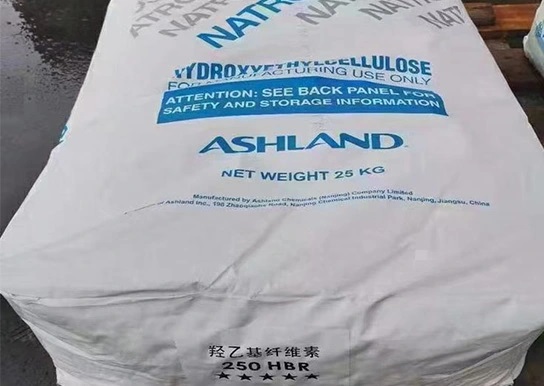
One of the most attractive features of cellulose ethers is their exceptional safety profile:
Non-toxic, non-irritant, and safe for direct and indirect food applications.
Biodegradable and digestible, ideal for medical applications where safety is critical.
Compatible with titanium dioxide for skin formulations for cosmetic use.
Research confirms cellulose ethers have minimal environmental impact, are non-allergic, and inhibit microbial growth, similar to anti foaming agent in food applications. Compliance with international standards further ensures safe consumer use.
Products from a reputable cellulose ether factory provide consistent quality, ensuring wax material, titanium dioxide pigment, and carbon black pigment applications meet both performance and safety expectations.
Cellulose ethers are exemplary synthetic tools derived from nature's most abundant polymer. Their widespread applications across industries highlight their importance, offering sustainable solutions without compromising quality or safety.
Whether in pharmaceuticals, food, cosmetics, or construction, the benefits of cellulose ethers — from acrylic resin material adaptability to enhancing epoxy resin for outdoor use durability — are extensive. By integrating with defoaming agent technologies, they support advanced material production while meeting emerging market needs.
The role of leveling agent and wetting agent for soil further enhances their functional efficiency. As industrial landscapes evolve, cellulose ether manufacturers and cellulose ether factories remain pivotal in providing innovative, reliable, and high-quality solutions.

Vice Chairman of the Coatings and Adhesives Association
Senior New Materials R&D Engineer
Bachelor of Engineering
General Manager
Professional Experience: With 10 years of experience in the fine chemical industry, the team has served over 10,000 clients. Committed to providing one-stop fine chemical services for global clients and helping them optimize the selection of chemical materials.