English
 Español
 tiếng việt
 русский
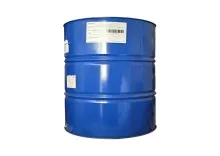
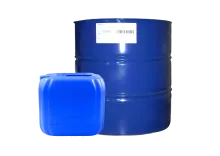
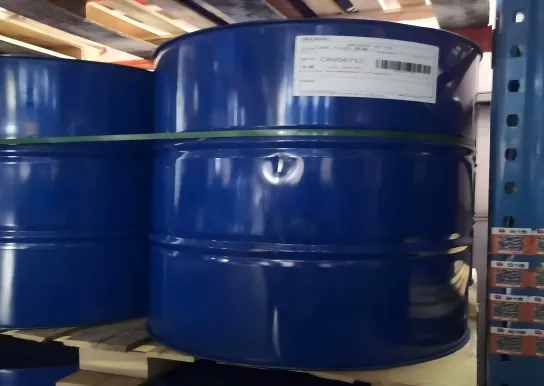
WACKER FINISH WR 210 is a high-performance reactive aminofunctional silicone fluid in Wacker’s FINISH WR series, designed for non-yellowing and moisture-balanced textile finishing, imparting soft, drapable and elastic hand feel to various fibers and fabrics.
Low yellowing - Stable fabric whiteness and color fastness, suitable for light-colored/white fabrics
Skin-friendly hand feel - Imparts soft, drapable and elastic touch, enhancing wearing comfort
100% active liquid formula - Ready for direct addition into water-based/solvent-based finishing formulations
Excellent wash resistance - Maintains softness and elasticity after multiple washes/dry cleans
Enhanced mechanical properties - Improves tear strength, sewability and dimensional stability
Textile soft finishing - High-end soft treatment for cotton, PES, nylon, wool and other fabrics
Apparel and home textiles - Hand feel optimization and elasticity enhancement for shirts, sportswear, bed linens and curtains
Synthetic fiber modification - Improves hand feel and wash resistance of PES, PA and other synthetic fibers
Industrial fabrics - Enhances softness and durability of filter cloths, tent fabrics and industrial textiles
Leather care - Improves leather softness, luster and aging resistance
| Brand | Wacker |
| Chemical Type | Reactive aminofunctional polydimethylsiloxane |
| Appearance | Colorless transparent to slightly turbid liquid |
| Density (25℃) | 0.96-0.98 g/cm³ |
| Dynamic Viscosity (25℃) | Approx. 2000 mPa·s |
| Refractive Index (25℃) | 1.403-1.405 |
| Flash Point | >280℃ |
Q1: What is the primary function of WACKER FINISH WR 210 in coating and ink formulations?
A: WACKER FINISH WR 210 is a polyether-modified silicone oil designed to improve surface leveling, reduce surface tension, and suppress foam during application—without compromising substrate wetting or intercoat adhesion.
Q2: Is WR 210 compatible with water-based and solvent-based systems?
A: Yes, WR 210 exhibits broad compatibility across aqueous, solvent-borne, and high-solids systems due to its balanced hydrophilic-lipophilic structure, enabling stable incorporation without phase separation under typical formulation conditions.
Q3: How does WR 210 affect gloss and film appearance in finished coatings?
A: It promotes uniform flow and minimizes surface defects such as orange peel or craters, often resulting in enhanced gloss consistency and improved visual clarity—particularly in clearcoats and decorative finishes.
Q4: Can WR 210 be used in food-contact compliant coatings?
A: While WR 210 is not inherently certified for direct food contact, it may be considered for indirect food-contact applications where regulatory compliance is verified by the final formulation manufacturer—subject to full system evaluation and applicable regional requirements.
Q5: What is the recommended addition method and timing for optimal performance?
A: For best results, add WR 210 during the let-down stage under moderate agitation. Pre-dilution with a compatible carrier solvent or resin solution is advised when incorporating into highly viscous or low-shear systems.
Contact With Us:
E-mail: wangxingqiang@ericwchem.com
Have a Questions? Call Us:
Add:
Building A1, Jiete Industrial Park, Huangpu District, Guangzhou City, Guangdong Province, China