English
 Español
 tiếng việt
 русский
In the culinary and food processing industry, maintaining product quality and texture is essential. One common challenge during the production of liquids and semi-liquids—such as sauces, soups, and beverages—is excessive foaming. The anti foaming agent in food plays a vital role in managing this issue, ensuring smooth processing and consistent product quality.
This article explores the purpose, applications, common examples, safety aspects, natural alternatives, and regulations associated with anti foaming agent in food. For anyone interested in food chemistry or production, understanding its importance is key to achieving both efficiency and safety.
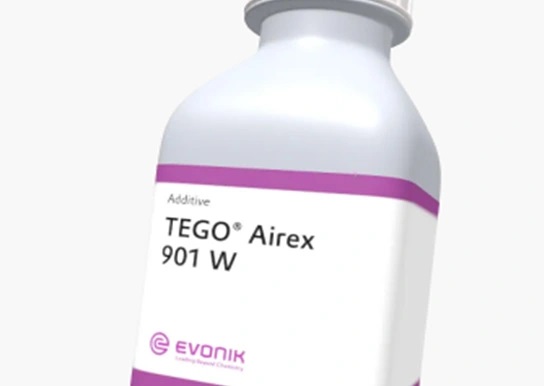
An anti foaming agent in food is added to prevent and reduce foam formation during processing. Foam can interfere with production, reduce output efficiency, and compromise product consistency. The main purpose of these agents is to break existing foam and prevent new foam from forming.
Purpose | Impact on Production | Example Use |
Foam prevention | Reduces cleaning time and enhances productivity | Beverage production |
Foam breaking | Improves texture and consistency | Soup processing |
Common compounds used as anti-foaming agents include diisopropyl ether and dipropylene glycol methyl ether. These substances are favored for their low toxicity, effectiveness, and economic value.
Foam generation occurs in many food manufacturing stages, especially during agitation and fermentation. The anti foaming agent in food is commonly used in:
Beverages: To control foam in carbonated drinks, juices, and beer brewing.
Dairy Products: To prevent excessive foam during milk processing and yogurt or cheese production.
Confectionery: To maintain smooth texture and uniformity in candies and chocolates.
For instance, waxes and silicone oils act as efficient anti foaming agents in food during churning processes, such as those used in producing wax material for edible coatings.
Because of their widespread use, the safety of each anti foaming agent in food is closely monitored by regulatory authorities. Most agents are recognized as safe within specific limits. The FDA provides clear guidelines for acceptable types and quantities in food production.
Agent | Regulatory Status | Safety Notes |
Silicone-based | Generally Recognized as Safe (GRAS) | Approved for use in food manufacturing |
Diisopropyl ether | Regulated by FDA | Safe within specified limits |
Despite their safety, there is a growing demand for more organic and natural solutions, prompting ongoing research into cleaner alternatives.
With the clean-label movement gaining traction, food companies are now exploring natural replacements for synthetic anti foaming agent in food formulations. Examples include:
Natural oils
Lecithins (e.g., soy lecithin)
Plant-based extracts, such as citrus oils
These natural ingredients provide effective foam control while supporting sustainability goals. For example, soy lecithin is widely used in bakery and margarine products due to its reliable de-foaming ability and eco-friendly sourcing.
The application of any anti foaming agent in food must comply with strict international regulations to protect consumers. Agencies such as the Food and Drug Administration (FDA) in the U.S. and the European Food Safety Authority (EFSA) oversee their use.
Key areas covered by these regulations include:
Permitted Types: Only approved substances may be used.
Maximum Levels: Defined limits on quantities in different food products.
Labeling Requirements: Mandatory disclosure to ensure transparency for consumers.
Compliance not only guarantees safety but also strengthens consumer confidence in processed foods.
Understanding the function and value of the anti foaming agent in food is crucial for anyone engaged in food production or research. These agents enhance manufacturing efficiency, maintain consistent product quality, and ensure adherence to food safety standards. As the industry continues to embrace sustainable and natural solutions, the development of next-generation anti foaming agents will play a key role in balancing industrial performance with evolving consumer expectations.

Vice Chairman of the Coatings and Adhesives Association
Senior New Materials R&D Engineer
Bachelor of Engineering
General Manager
Professional Experience: With 10 years of experience in the fine chemical industry, the team has served over 10,000 clients. Committed to providing one-stop fine chemical services for global clients and helping them optimize the selection of chemical materials.