English
 Español
 tiếng việt
 русский
Croda’s Atmer 190, a synthetic alkyl sulfonate anti - static agent, is for high - impact polystyrene, ABS, and opaque rigid PVC, suitable only for opaque applications.
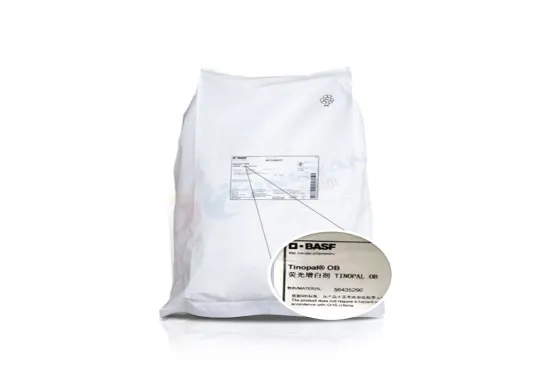
Targeted for impact-resistant polymer systems
Synthetic formulation with consistent antistatic performance
Exclusively designed for opaque applications
Compatible with high-impact polystyrene (HIPS), ABS, and opaque rigid PVC
Antistatic modification for high-impact polystyrene (HIPS), ABS, and opaque rigid PVC
Used in opaque polymer components requiring static charge control
Ideal for opaque plastic parts in industrial, automotive, and electronic packaging applications
Model | Atmer 190 |
Component | Alkyl sulfonate |
Form (25℃) | Crystal grains |
Source | Synthetic |
Notes | Only for opaque applications |
Q1: What types of polymers is Atmer 190 compatible with?
A: Atmer 190 is widely used in polyolefins such as polyethylene (PE) and polypropylene (PP), and shows good compatibility in engineering thermoplastics including ABS, PS, and certain polyesters. Its performance may vary depending on polymer polarity and processing conditions.
Q2: How is Atmer 190 typically incorporated into polymer formulations?
A: It is commonly added during compounding—either via dry blending prior to extrusion or directly metered into the extruder feed throat or side feeder. Uniform dispersion is essential for optimal antistatic performance.
Q3: Does Atmer 190 affect the mechanical or optical properties of the final polymer?
A: When used at recommended dosage levels, Atmer 190 generally has minimal impact on tensile strength, impact resistance, or clarity—particularly in thin-gauge films and molded parts. However, over-addition may lead to surface blooming or reduced melt stability.
Q4: Is Atmer 190 suitable for applications requiring regulatory compliance for food contact or medical devices?
A: Atmer 190 is not specifically approved for direct food contact or implantable medical devices under major global regulatory frameworks. Customers must conduct their own due diligence—including migration testing and end-use validation—to confirm suitability for regulated applications.
Contact With Us:
E-mail: wangxingqiang@ericwchem.com
Have a Questions? Call Us:
Add:
Building A1, Jiete Industrial Park, Huangpu District, Guangzhou City, Guangdong Province, China