English
 Español
 tiếng việt
 русский
Cytec CYASTAT SP is a high-performance antistatic agent under the CYASTAT series, developed by Cytec (USA). It stands out for excellent antistatic effects and strong adhesion to polymers, widely serving multiple fields including polymer processing, textile treatment and wax production.
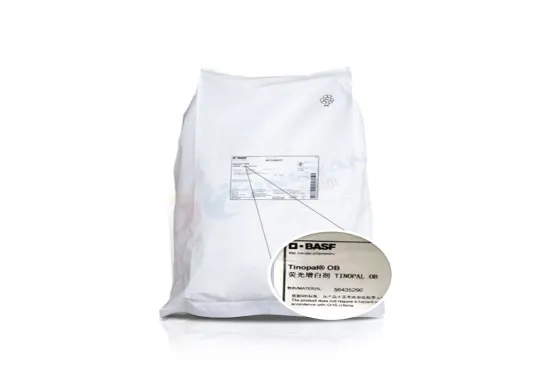
Excellent antistatic performance: Long-lasting static control for durable protection
Strong polymer adsorption: Ensures stable integration with base materials
Versatile compatibility: Works with polymers, textiles and waxes
Convenient packaging: User-friendly design for easy storage and application
EPS, PVC & foamed PE: Antistatic treatment for packaging and foam materials
Polymer products: Static control for injection-molded and extruded components
Textiles: Static reduction for fibers and fabrics
Polishing waxes: Additive for wax powders in waxing applications
Model Number | CYASTAT SP |
Product Category | Antistatic Agent |
Brand | Cytec (USA) |
CAS Number | 3758-54-1 |
Packaging Specification | 20 KG per drum |
Key Feature 1 | Excellent antistatic effect |
Key Feature 2 | Strong adhesion to polymers |
Main Application Scope | EPS, PVC, foamed PE, molded/extruded products, textiles, polishing waxes |
Q1: What is the primary mechanism of antistatic action for CYASTAT SP?
A: CYASTAT SP functions as a migratory, hydrophilic antistatic agent. It gradually diffuses to the polymer surface, where it absorbs ambient moisture to form a conductive layer that dissipates static charges effectively.
Q2: Which polymer systems is CYASTAT SP commonly used in?
A: It is widely compatible with polyolefins (e.g., PP and HDPE), polystyrene, ABS, and certain engineering thermoplastics. Performance may vary depending on polymer polarity, crystallinity, and processing conditions.
Q3: How does processing temperature affect CYASTAT SP performance?
A: CYASTAT SP is thermally stable under typical extrusion and injection molding conditions. Prolonged exposure above 250°C may reduce migration efficiency or lead to partial degradation, so optimal processing should remain within standard thermal windows for the host resin.
Q4: Is CYASTAT SP suitable for applications requiring low extractables or food-contact compliance?
A: CYASTAT SP is not specifically formulated or certified for food-contact applications. Its use in regulated end-uses requires thorough evaluation by the formulator, including compatibility testing and regulatory review per intended jurisdiction and application.
Contact With Us:
E-mail: wangxingqiang@ericwchem.com
Have a Questions? Call Us:
Add:
Building A1, Jiete Industrial Park, Huangpu District, Guangzhou City, Guangdong Province, China