English
 Español
 tiếng việt
 русский
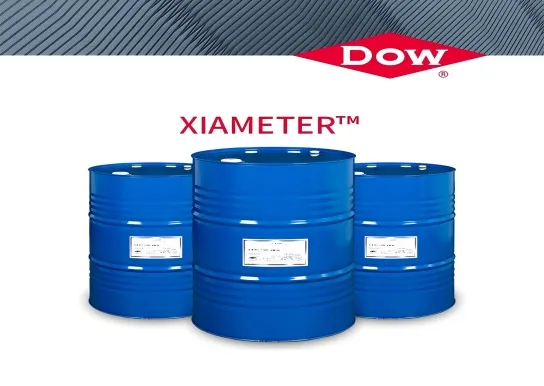
Dow XIAMETER PMX-1263 Fluid is a cosmetic-grade silicone blend fluid in XIAMETER PMX series, designed for hair care and skin care formulations. It is compounded by silicone gum, cyclopentasiloxane and polydimethylsiloxane, with excellent film-forming, substantivity and conditioning properties, providing long-lasting smooth feel and stable film effect for personal care products.
High Film-Forming Ability - Quickly forms a lightweight protective film, enhances product adhesion and longevity
Excellent Substantivity - Effectively adheres to hair and skin, delivers long-lasting conditioning effect
Superior Silky Feel - Imparts smooth hair and silky skin touch, improves user experience
Good Rinse-Off Compatibility - Compatible with rinse-off personal care formulations
Stable Blending Property - Compatible with various cosmetic raw materials, ensures formula stabilit
Hair Care Conditioning - Shampoos, conditioners and hair masks, improve hair smoothness and anti-frizz effect
Skin Care Film-Forming - Creams, lotions and serums, form protective film to enhance moisturization and skin feel
Personal Care Blending - Various personal care products, enhance product substantivity and longevity
Hair Styling - Hair waxes and styling creams, improve styling durability and hair smoothness
Body Care - Body lotions and body washes, optimize skin feel and product film-forming effect
| Brand | DOW |
| Product Type | Cosmetic-Grade Phenyl Silicone Fluid |
| INCI Name | Phenyl Trimethicone |
| Active Ingredient | 100% (Typical) |
| Appearance | Colorless Transparent Liquid (Typical) |
| Specific Gravity (25℃) | 0.98 (Typical) |
| Refractive Index (25℃) | 1.455~1.465 (Typical) |
| Temperature Resistance Range | -50℃ ~ 200℃ (Typical) |
Q1: What is the primary function of XIAMETER PMX-1263 in formulations?
A: XIAMETER PMX-1263 is a low-viscosity, reactive silicone fluid designed primarily as a surface modifier and release aid. It imparts lubricity, improves substrate wetting, reduces surface tension, and enhances slip and anti-blocking performance—especially in coatings, inks, adhesives, and polymer-based systems.
Q2: Is PMX-1263 compatible with common resin systems such as acrylics, polyurethanes, and epoxies?
A: Yes, PMX-1263 exhibits broad compatibility with a wide range of thermoset and thermoplastic resin systems, including acrylics, polyurethanes, epoxies, and alkyds. Its reactive silanol functionality enables covalent incorporation into many curing networks, supporting stable dispersion and reduced migration risk compared to non-reactive silicones.
Q3: How should PMX-1263 be incorporated into a formulation to ensure optimal performance?
A: For best results, add PMX-1263 during the let-down or post-addition stage under moderate agitation. Avoid high-shear mixing at elevated temperatures prior to full dispersion. Dosage typically ranges from 0.1% to 2% by weight of the total formulation, depending on the desired surface effect and base system characteristics.
Q4: Does PMX-1263 require heat or catalysts to react within a coating or adhesive matrix?
A: PMX-1263 contains silanol groups that can condense with complementary functionalities (e.g., isocyanates, alkoxysilanes, or metal carboxylates) present in the formulation. While ambient reactivity occurs over time, thermal curing or catalytic conditions commonly accelerate covalent integration—enhancing permanence and reducing bloom or surface segregation.
Contact With Us:
E-mail: wangxingqiang@ericwchem.com
Have a Questions? Call Us:
Add:
Building A1, Jiete Industrial Park, Huangpu District, Guangzhou City, Guangdong Province, China