English
 Español
 tiếng việt
 русский
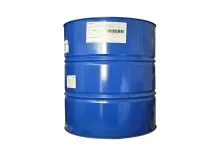
WACKER FC 223 is a high-performance functional silicone fluid in Wacker’s FC series, designed for coatings, inks, plastics and composite systems, offering excellent surface activity, leveling and compatibility to enhance surface performance, processability and durability.
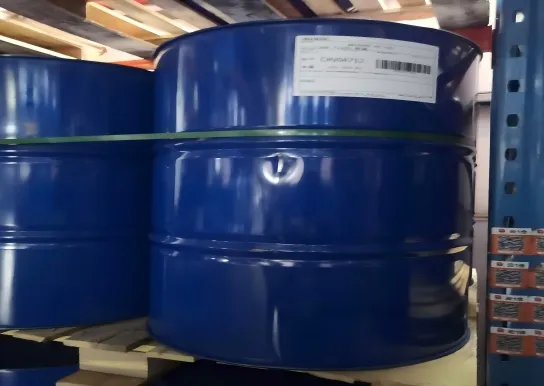
High reactivity - Rich in Si-H groups, high crosslinking efficiency and fast curing
Excellent adhesion - Bonds firmly to glass, metal, plastic and various substrates
Low volatility - No small molecule release at high temperatures, improves product compactness and stability
Eco-friendly - Solvent-free, halogen-free and heavy metal-free, meets high-end material environmental requirements
Broad compatibility - Suitable for solvent-based and solvent-free addition-curing silicone rubber systems
Silicone rubber products - Seals, gaskets, tubes, keypads and high-performance silicone rubber parts
Electronic potting - Insulation potting and protection of electronic components and circuit boards
Coatings and release - Crosslinking curing of high-temperature anti-stick coatings and industrial release agents
Medical consumables - Safe crosslinking molding of medical silicone rubber tubes and seals
Industrial adhesives - Curing crosslinking system of high-temperature and weather-resistant silicone adhesives
| Brand | Wacker |
| Chemical Type | Hydrogen polysiloxane |
| Appearance | Colorless transparent liquid |
| Density (25℃) | 0.98-1.00 g/cm³ |
| Dynamic Viscosity (25℃) | Approx. 50-100 mPa·s |
| Flash Point | >60℃ |
| Active Hydrogen Content | Approx. 1.5-1.6 w |
Q1: What is the primary function of WACKER FC 223 Silicone Oil in industrial formulations?
A: WACKER FC 223 Silicone Oil is a low-viscosity, non-reactive polydimethylsiloxane (PDMS) fluid primarily used as a surface modifier and processing aid. It imparts lubricity, improves substrate wetting, reduces surface tension, and helps suppress foam formation during manufacturing processes such as coating, printing, and adhesive application.
Q2: Is WACKER FC 223 Silicone Oil compatible with common polymer systems and water-based formulations?
A: Yes, FC 223 exhibits broad compatibility with acrylics, polyurethanes, epoxies, and many thermoplastic resins. It can also be incorporated into water-based systems—typically via high-shear mixing or with the assistance of suitable emulsifiers—though phase stability should be verified under actual formulation conditions.
Q3: How should WACKER FC 223 Silicone Oil be added to a formulation to ensure optimal performance?
A: For best results, FC 223 should be added during the final stage of mixing under moderate agitation. Premature addition—especially before full dispersion of pigments or fillers—may lead to surface defects or compromised intercoat adhesion. Dosage depends on formulation requirements but generally ranges from 0.1% to 2% by weight of the total system.
Q4: Does WACKER FC 223 Silicone Oil affect curing behavior or film properties in reactive systems?
A: As a non-functional silicone oil, FC 223 does not participate in chemical crosslinking reactions. However, it may influence surface migration and film formation kinetics. In some reactive systems, excessive use can delay surface cure or reduce interlayer adhesion; therefore, dosage optimization and compatibility testing are recommended prior to full-scale implementation.
Contact With Us:
E-mail: wangxingqiang@ericwchem.com
Have a Questions? Call Us:
Add:
Building A1, Jiete Industrial Park, Huangpu District, Guangzhou City, Guangdong Province, China