English
 Español
 tiếng việt
 русский
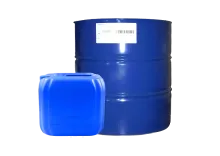
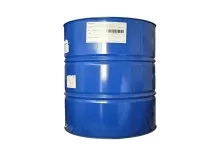
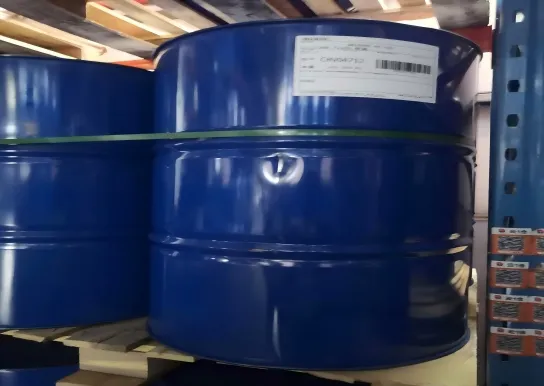
WACKER FINISH WR 1200 is a premium aminoethyl-aminopropyl functional silicone fluid in Wacker’s FINISH WR series, designed for PES fiber/textile soft finishing, with dual amino groups to enhance smooth and elastic hand feel in various formulation
Ultra-Wide Thermal Range: Decomposition temperature ≥220℃, freezing point ≤-100℃, suitable for extreme environments.
Superior Dielectric Properties: Breakdown voltage ≥40 kV/mm, volume resistivity ≥1×10¹⁵ Ω·cm.
Chemical Inertness: Non-corrosive to metals/elastomers (FKM/VMQ), no residue or yellowing.
Eco-Friendly Design: ODP=0, GWP<150, compliant with sustainable regulations.
Low-Viscosity Fluidity: Dynamic viscosity ≤0.6 mPa·s (25℃) for microchannel penetration.
Data Center Immersion Cooling: Single-phase liquid cooling reduces PUE below 1.1, supports 200kW/rack.
Semiconductor Encapsulation: Wafer dicing coolant and defect inspection fluid for lithography processes.
Military Electronics Cooling: Radar transmitter thermal modules with -40℃ impact resistance.
EV Battery Thermal Management: Direct-contact cooling for battery packs, UL94 V-0 flammability rating.
Precision Instrument Cleaning: HCFC-free solvent for PCB flux removal without substrate swelling.
| Appearance | Colorless transparent liquid |
| Boiling Point | 155-160°C |
| 1.8 g/mL | |
| Dielectric Constant (1kHz) | 5.2 |
| Dielectric Strength | 20.7 kV/mm (50 kV/2.5mm) |
| ODP | 0 |
| Purity (%) | ≥99.5 |
| <50 ppm | |
| Acidity (%) | <0.0001% |
Q1: What is the primary function of WACKER FINISH WR 1200 in textile finishing formulations?
A: WACKER FINISH WR 1200 is a reactive silicone oil designed to impart durable water repellency and improved handle to woven and knitted textiles, particularly synthetic and blended fabrics. It forms a covalently bonded hydrophobic layer on fiber surfaces during curing, enhancing performance retention after washing.
Q2: Is WR 1200 compatible with common textile auxiliaries such as softeners, crosslinkers, or dye fixatives?
A: Yes, WR 1200 demonstrates good compatibility with most anionic and nonionic textile auxiliaries when properly diluted and added in the correct sequence. Compatibility testing under actual processing conditions is recommended, especially when used alongside cationic agents or formaldehyde-based resins.
Q3: What curing conditions are typically required to achieve optimal performance with WR 1200?
A: Effective crosslinking generally occurs at temperatures between 140 °C and 170 °C for 1–3 minutes in continuous stenter drying. Lower temperatures or shorter dwell times may result in reduced durability, while over-curing can compromise fabric hand or lead to yellowing on heat-sensitive substrates.
Q4: How should WR 1200 be diluted and added to the bath for optimal stability and application?
A: WR 1200 should be diluted gradually with deionized or softened water under gentle agitation to avoid phase separation. It is typically added as a stable emulsion to the finishing bath after pH adjustment and before other sensitive components. Avoid rapid dilution with cold water or direct addition to highly alkaline or acidic baths without prior compatibility checks.
Q5: Can WR 1200 be used in eco-friendly or restricted-substance-compliant textile processes?
A: WR 1200 is free from APEOs, alkylphenols, and intentionally added heavy metals, and aligns with major brand chemical management standards. It is not classified as hazardous under GHS for transport or handling, though final compliance depends on full formulation composition and regional regulatory requirements.
Contact With Us:
E-mail: wangxingqiang@ericwchem.com
Have a Questions? Call Us:
Add:
Building A1, Jiete Industrial Park, Huangpu District, Guangzhou City, Guangdong Province, China