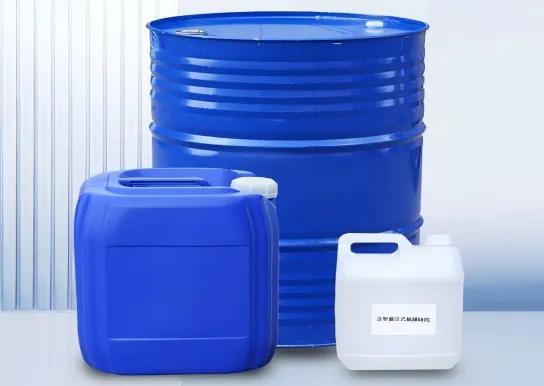
Features Of M2-A2 - Dimethyldiacetoxysilane Crosslinker Imported From Germany
Dual Functionality - Difunctional structure provides effective chain extension capability
Enhanced Elasticity - Reduces modulus and improves flexibility in cured products
Controlled Crosslinking - Moisture-triggered reaction ensures predictable curing performance
Brittleness Reduction - Improves impact resistance and mechanical durability
Typical Applications Of M2-A2 - Dimethyldiacetoxysilane Crosslinker Imported From Germany
RTV Silicone Rubber - Acid-cured silicone sealants and encapsulants
Architectural Sealants - Glass and construction silicone adhesives
Flexible Mold Making - Silicone molds requiring high elasticity
Electronic Potting - Protective encapsulation for electronic components
Industrial Sealants - Machinery and equipment sealing applications
Specifications Of M2-A2 - Dimethyldiacetoxysilane Crosslinker Imported From Germany
| Chemical Name | Dimethyl diacetoxysilane |
| CAS No. | 2182-66-3 |
| Appearance | Colorless to light yellow liquid |
| Purity | ≥98% |
| Specific Gravity | 1.08-1.12 g/cm³ |
| Refractive Index | 1.405-1.415 |
| Acetic Acid Content | ≤0.5% |
M2-A2 - Dimethyldiacetoxysilane Crosslinker Imported From Germany – Frequently Asked Questions (FAQ)
Q1: What is the primary function of M2-A2 in silicone sealant and adhesive formulations?
A: M2-A2 serves as a reactive acetoxysilane crosslinker that enables room-temperature vulcanization (RTV) of acetoxy-cure silicone systems. It facilitates the formation of siloxane networks through condensation reactions with silanol-terminated polymers, delivering rapid surface cure and robust final mechanical properties.
Q2: How does M2-A2 compare to other acetoxysilane crosslinkers in terms of reactivity and shelf stability?
A: Due to its dimethyl-substituted structure, M2-A2 offers balanced reactivity—faster than diacetoxysilanes with bulkier alkyl groups but more hydrolytically stable than highly reactive monoacetoxysilanes. This balance supports good pot life in formulated products while maintaining efficient cure kinetics under ambient conditions.
Q3: Is M2-A2 compatible with common silicone polymers and fillers used in construction-grade sealants?
A: Yes, M2-A2 demonstrates broad compatibility with α,ω-hydroxyl-terminated polydimethylsiloxanes (PDMS), fumed and precipitated silica, calcium carbonate, and various adhesion promoters such as amino- and epoxy-functional silanes—making it suitable for high-performance architectural and industrial sealant systems.
Q4: What safety and handling considerations apply to M2-A2 during manufacturing and formulation?
A: As an acetoxysilane, M2-A2 releases acetic acid upon hydrolysis; therefore, adequate ventilation is required during handling. It should be stored in sealed containers under dry, cool conditions to prevent premature moisture exposure. Personal protective equipment—including chemical-resistant gloves and eye protection—is recommended during direct handling.
Q5: What is the typical dosage range for M2-A2 in acetoxy-cure silicone formulations?
A: Dosage depends on formulation requirements, polymer functionality, and desired cure profile, but M2-A2 is generally used at low concentrations—typically ranging from 0.1% to 2% by weight relative to the base polymer—to achieve full crosslinking without compromising storage stability or processability.
 English
 Español
 tiếng việt
 русский