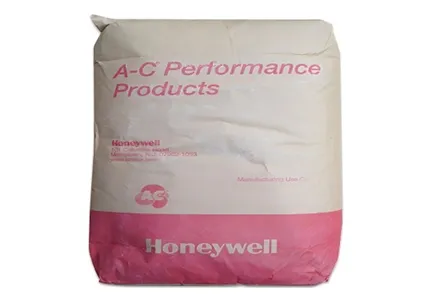
The Efka series offers silicone-free and silicone-enhanced defoamers engineered to address foam challenges across solvent-based, waterborne, and solvent-free coatings. These additives ensure rapid bubble collapse and long-term foam suppression in high-shear processes, optimizing surface quality and production efficiency .
Compatible with epoxy, polyurethane, and alkyd systems, the defoamers enhance processing stability in industrial wood coatings, automotive finishes, and PVC compounds. Their hydrolytic resistance prevents microfoam formation during grinding, spraying, or roller application, ensuring bubble-free surfaces in architectural and marine coatings.

Rapid Foam Elimination: Effectively removes both microfoam and macrofoam across various coating systems.
Persistent Performance: Maintains long-term foam suppression even in high-shear processing conditions.
Broad System Compatibility: Works effectively in water-based, solvent-based, and solvent-free formulations.
Regulatory Compliance: Meets environmental standards including indirect food contact requirements.
Optimized Cost Efficiency: Delivers high performance at economical dosage levels for industrial-scale use.
Architectural Coatings: Water-based acrylic and alkyd systems for bubble-free finishes.
Industrial Coatings: Epoxy, polyurethane, and polyester systems requiring defect-free surfaces.
Wood Coatings: Nitrocellulose and acid-cured systems, particularly for curtain coating applications.
Specialty Composites: PVC compounds, SMC/BMC formulations, and radiation-curing systems.
| Model | Chemical Name | Appearance | Flash Point | Active Content |
| Efka SI2723 | Silicone-based defoamer solution | Colorless, slightly hazy liquid | 77°C (171°F) | / |
| Efka-PB 2020 | Silicone-free defoaming polymer | Clear, slightly yellow liquid | 30°C (86°F) | 20% |
| EFKA-2526 | Emulsified metal polymer defoamer | Emulsion liquid | >100°C | 75–79% |
| Efka 2720 | Silicone-free defoaming substance | Colorless, transparent to slightly hazy liquid | 26°C (79°F) | 100% |
| Efka 2035 | Organosilicon defoamer | Clear, colorless liquid | 47°C (117°F) | 100% |
| Efka PB 2010 | Silicone-free defoaming polymer | Translucent liquid | 41°C (86°F) | 100% |
| EFKA-2028 | Organosilicon defoamer | Clear, colorless liquid | / | 100% |
| EFKA-2580 | Modified Polydimethylsiloxane | Colorless liquid | >100°C | 100% |
| EFKA2048 | Silicone-based defoamer solution | Clear, colorless liquid | 19°C (66°F) | / |
| Efka SI2008 | Silicone-based defoamer | Colorless, clear or slightly turbid liquid | 42°C | 69–71% |
Q1: What types of industrial formulations is Efka Defoamer typically used in?
A: Efka Defoamer is widely employed in water-based coatings, printing inks, adhesives, construction chemicals, and industrial cleaning solutions where rapid foam suppression and long-term defoaming stability are required.
Q2: How should Efka Defoamer be incorporated into a formulation?
A: It is generally added during the let-down or post-addition stage, with good compatibility achieved through low-shear mixing. Pre-dilution in a compatible solvent or vehicle may be recommended for optimal dispersion in sensitive systems.
Q3: Is Efka Defoamer compatible with common rheology modifiers and biocides?
A: Yes, Efka Defoamer demonstrates broad compatibility with associative and non-associative thickeners, as well as standard isothiazolinone and formaldehyde-releasing biocides—though compatibility testing under actual formulation conditions is always advised.
Q4: Does Efka Defoamer affect gloss or surface appearance in finished films?
A: When dosed appropriately, Efka Defoamer typically does not compromise film clarity, gloss, or substrate wetting—making it suitable for high-appearance applications such as architectural paints and packaging inks.
Q5: What is the typical dosage range for Efka Defoamer?
A: Dosage depends on formulation complexity and foaming tendency, but it is generally effective at low concentrations—typically ranging from 0.1% to 2% by weight of the total formulation.
Contact With Us:
E-mail: wangxingqiang@ericwchem.com
Have a Questions? Call Us:
Add:
Building A1, Jiete Industrial Park, Huangpu District, Guangzhou City, Guangdong Province, China
 English
 Español
 tiếng việt
 русский