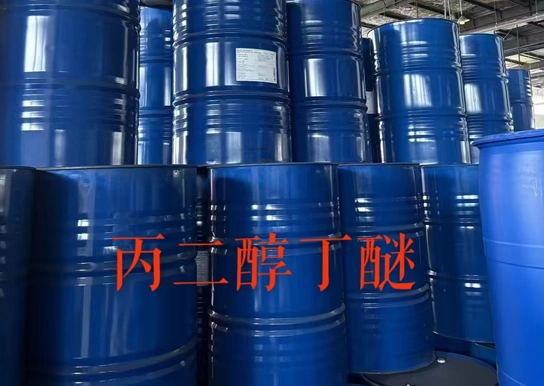
Features Of Dow Isopropanolamine
Broad-Spectrum Reactivity - Easily reacts with acids, acid halides, etc., suitable for diverse synthesis process requirements
Excellent Alkali Adjustment Performance - Aqueous solution is weakly alkaline, precise and stable PH adjustment, suitable for acid-base balance of multiple systems
Efficient Compatibility & Solubility - Easily soluble in water and ethanol, compatible with various raw materials, strong formulation adaptability
Excellent Hygroscopicity & Stability - Good hygroscopicity, stable chemical properties, reliable storage and processing performance
Typical Applications Of Dow Isopropanolamine
Broad-Spectrum Reactivity - Easily reacts with acids, acid halides, etc., suitable for diverse synthesis process requirements
Excellent Alkali Adjustment Performance - Aqueous solution is weakly alkaline, precise and stable PH adjustment, suitable for acid-base balance of multiple systems
Efficient Compatibility & Solubility - Easily soluble in water and ethanol, compatible with various raw materials, strong formulation adaptability
Excellent Hygroscopicity & Stability - Good hygroscopicity, stable chemical properties, reliable storage and processing performance
Specifications Of Dow Isopropanolamine
| Brand | Dow (USA) |
| Chemical Name | Isopropanolamine; 1-Amino-2-propanol |
| English Alias | 2-Hydroxypropylamine |
| CAS No. | 78-96-6 |
| Molecular Formula | C₃H₉NO |
| Molecular Weight | 75.11 |
| Physical Form | Colorless transparent liquid with slight ammonia odor |
| Purity (Industrial Grade) | ≥ 99 % |
| Boiling Point | 160 ℃; 59.5 ℃ (0.133 kPa) |
| Melting Point / Freezing Point | 1.4 ℃ |
| Flash Point (Closed Cup) | 80 ℃ |
Dow Isopropanolamine – Frequently Asked Questions (FAQ)
Q1: What are the primary industrial applications for Dow Isopropanolamine?
A: Dow Isopropanolamine is widely used as a reactive intermediate and performance additive in coatings, agrochemical formulations, gas treating solutions, and personal care products—particularly where pH control, corrosion inhibition, or amine functionality is required.
Q2: How does Dow Isopropanolamine compare to monoethanolamine (MEA) or diethanolamine (DEA) in terms of reactivity and volatility?
A: Dow Isopropanolamine exhibits lower volatility and reduced vapor pressure compared to MEA, offering improved handling safety and formulation stability. Its secondary amine structure provides moderate nucleophilicity and steric hindrance, resulting in more selective reactivity than primary amines like MEA—making it suitable for controlled reactions such as urethane formation or chelation.
Q3: Is Dow Isopropanolamine compatible with common solvents and resins used in industrial coatings?
A: Yes—it demonstrates good miscibility with water, alcohols, glycol ethers, and many hydrocarbon solvents, and is commonly incorporated into acrylic, epoxy, and polyurethane resin systems without phase separation or stability issues under standard processing conditions.
Q4: What are the recommended storage and handling practices?
A: Store in tightly sealed containers under dry, cool, well-ventilated conditions away from strong oxidizers and acids. Due to its amine nature, it may absorb CO₂ from air over time—so minimizing exposure during handling helps maintain consistent performance in sensitive applications.
 English
 Español
 tiếng việt
 русский