English
 Español
 tiếng việt
 русский
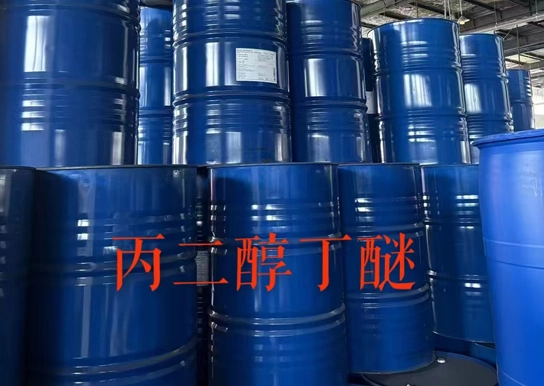
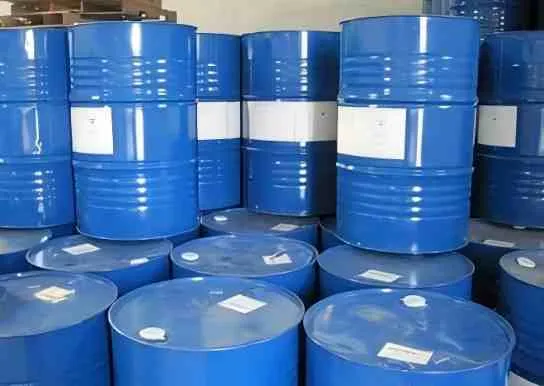
Dow DOWANOL TPNB (Tripropylene Glycol Monobutyl Ether) is a high-quality environmentally friendly solvent in Dow's DOWANOL propylene glycol ether product line. Designed for industrial/household cleaning, coating film formation, fine chemical and other systems, it is a low-toxic and low-irritation eco-friendly solvent with excellent dissolution coupling and adaptability,
Environmental Protection & Low-Toxic Safety - Low toxicity and irritation, pleasant odor, complying with environmental standards of multiple countries
Efficient Dissolution & Coupling - Excellent solvency and coupling function, suitable for various material systems
Precise Replacement & Compatibility - Evaporation rate close to ethylene glycol butyl ether, directly replaceable to optimize formulations
High Boiling Point & Stable Construction - High boiling point feature, strong construction stability, ensuring film formation and cleaning effect
Cleaning Field - Used in industrial heavy-duty cleaners, household stove cleaners and floor dewaxing agents for efficient oil removal
Coatings & Inks Systems - Used as film-forming auxiliary for water-based coatings to improve film leveling and integrity
Printing & Electronic Field - Applied in PS plate cleaning, photosensitive adhesive formulations and electronic chemicals to ensure precision processing effect
Fine Chemical Synthesis - Used as coupling agent and extractant, suitable for dye dissolution and organic synthesis processes
| Chemical Name | Tripropylene Glycol Monobutyl Ether |
| English Alias | DOWANOL TPNB |
| CAS No. | 55934-93-5 |
| Molecular Formula | C₁₃H₂₈O₄ |
| Molecular Weight | 248.36 |
| Physical Form | Colorless transparent liquid with pleasant odor |
| Purity | ≥ 95 % |
| Boiling Point | Approx. 270 ℃ (Typical) |
| Melting Point | Approx. -70 ℃ (Typical) |
Q1: What distinguishes dipropylene glycol-LO+ from standard dipropylene glycol?
A: Dipropylene glycol-LO+ is a low-odor, high-purity grade specifically engineered for applications where sensory profile and volatility control are critical—such as personal care formulations, air care products, and sensitive industrial cleaning systems. It undergoes additional purification to minimize volatile impurities and residual monopropylene glycol, resulting in enhanced odor neutrality and improved formulation stability.
Q2: Is dipropylene glycol-LO+ suitable for use in cosmetics and personal care products?
A: Yes—it is widely used in leave-on and rinse-off cosmetic formulations as a humectant, solvent, and viscosity modifier. Its low volatility, mild skin compatibility, and excellent solubilizing capacity for fragrances and actives make it well-suited for lotions, creams, hair care products, and fine fragrances.
Q3: How does dipropylene glycol-LO+ perform as a co-solvent in water-based cleaning formulations?
A: It effectively solubilizes hydrophobic ingredients—including surfactants, fragrances, and active agents—while remaining fully miscible with water and many common organic solvents. Its moderate evaporation rate supports balanced drying times and film formation, making it valuable in hard-surface cleaners, glass cleaners, and disinfectant wipes.
Q4: Can dipropylene glycol-LO+ be used in food-contact applications?
A: While dipropylene glycol-LO+ is not intended for direct food additive use, it may be considered for indirect food-contact applications—such as cleaning agents for food-processing equipment—subject to regulatory review and compliance with applicable local requirements. Formulators should consult relevant food safety authorities and conduct appropriate risk assessments.
Contact With Us:
E-mail: wangxingqiang@ericwchem.com
Have a Questions? Call Us:
Add:
Building A1, Jiete Industrial Park, Huangpu District, Guangzhou City, Guangdong Province, China