English
 Español
 tiếng việt
 русский
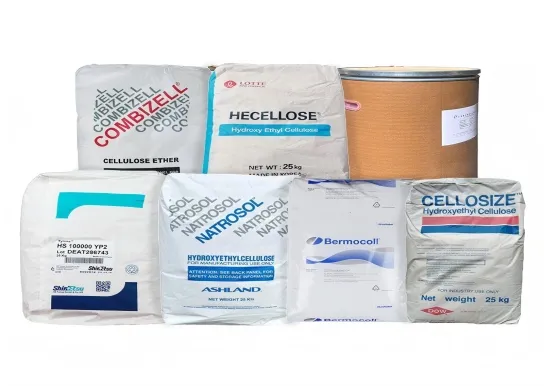
Ashland Natrosol HEC HHX is a high-quality hydroxyethyl cellulose polymer in the Natrosol series. Custom-designed for aqueous cleaning formulations, personal care products and industrial aqueous formulations, it is derived from sustainably sourced cellulose, featuring efficient thickening and broad pH adaptability
Efficient Thickening & Stabilization - Excellent thickening efficiency, rapidly increasing system viscosity and ensuring long-term formulation stability
Broad pH Adaptation & Compatibility - Adaptable to a wide pH range, viscosity less affected by acidity and alkalinity, strong system compatibility
Transparent Formulation Enhancement - Forms crystal-clear solutions after dissolution, without affecting product appearance and texture
Excellent Salt Tolerance - Possesses outstanding salt tolerance, suitable for complex formulation systems containing electrolytes
Aqueous Cleaning Formulations - Used in liquid laundry detergents and floor cleaners to improve consistency and cleaning stability
Personal Care Products - Used in hand soaps and body washes to optimize texture lubricity and skin feel during use
Dishwashing Detergents - Used in hand and automatic dishwashing detergents to enhance foam stability and decontamination synergy
Industrial Aqueous Coatings - Used in industrial aqueous coatings to improve system leveling and storage stability
| Brand | Ashland (USA) |
| Chemical Type | Hydroxyethyl Cellulose (HEC), non-ionic cellulose ether |
| Physical Form | White to off-white free-flowing powder |
| Core Characteristics | Efficient thickening, broad pH adaptation, transparent dissolution |
| CAS Number | 9004-53-9 |
| Viscosity Characteristic | Short time to 90% viscosity achievement (about 3.8 minutes in 1% aqueous solution at pH 6) |
| pH Adaptation Range | Stable over a wide pH range, viscosity less affected by acidity and alkalinity |
Q1: What is the primary functional role of Natrosol HEC HHX in aqueous formulations?
A: Natrosol HEC HHX functions primarily as a non-ionic rheology modifier and thickener, providing excellent viscosity development, shear-thinning behavior, and suspension stability in water-based systems such as paints, coatings, adhesives, and personal care products.
Q2: How does Natrosol HEC HHX differ from standard hydroxyethyl cellulose (HEC) grades?
A: Unlike conventional HEC, Natrosol HEC HHX is a hydroxypropyl cellulose derivative with enhanced solubility in cold water, improved compatibility with electrolytes, and greater resistance to enzymatic degradation—making it especially suitable for demanding industrial applications where formulation robustness is critical.
Q3: Is Natrosol HEC HHX compatible with common biocides and preservatives used in waterborne systems?
A: Yes, Natrosol HEC HHX demonstrates good compatibility with a broad range of commercially available biocides, including isothiazolinones and formaldehyde releasers, supporting microbial stability without compromising viscosity performance or clarity.
Q4: What are typical dosage ranges for achieving desired thickening effects?
A: Dosage depends on formulation requirements, but Natrosol HEC HHX is typically used at low concentrations—generally ranging from 0.1% to 2% by weight—to achieve effective viscosity control and suspension stability in most aqueous systems.
Q5: Can Natrosol HEC HHX be used in high-shear processing environments such as high-speed dispersion or homogenization?
A: Yes, Natrosol HEC HHX exhibits good shear stability and maintains consistent rheological performance during high-shear mixing, making it well-suited for continuous manufacturing processes and large-scale production of coatings, mortars, and emulsions.
Contact With Us:
E-mail: wangxingqiang@ericwchem.com
Have a Questions? Call Us:
Add:
Building A1, Jiete Industrial Park, Huangpu District, Guangzhou City, Guangdong Province, China