English
 Español
 tiếng việt
 русский
Broad-spectrum efficient – Against Gram+/Gram– bacteria, yeast & fungi, full protection
Formaldehyde-free eco-friendly – Safe formula, meets food contact compliance requirements
Wide pH stability – Stable performance at 4–9, fits most water-based systems
Low-toxic & low dosage – Recommended 0.05–0.1%, low usage and cost-effective
High compliance – Meets multiple FDA & BFR food contact certifications
Water-based/latex/PVA adhesives
PVA/acrylic polymer emulsions
Water-based decorative coatings & printing inks
Metalworking fluids & cutting fluids
Construction additives & building mixtures
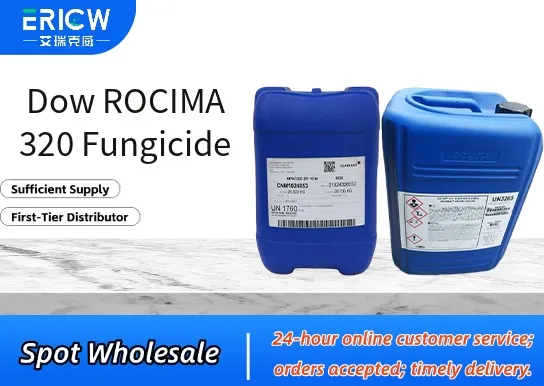
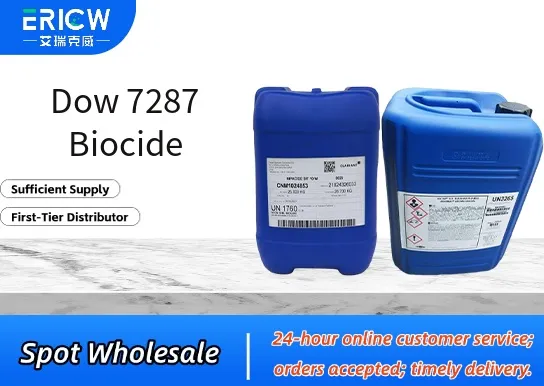
| Brand | Clariant |
| Product Type | In-can biocide |
| Active Ingredients | CMIT/MIT (Chloromethylisothiazolinone/Methylisothiazolinone) |
| Active Content | approx. 1.5% |
| Form | Liquid |
| Formula Features | Formaldehyde-free, low-toxic, Na⁺ stable, water-based |
| pH Stability | 4–9 (not recommended for pH>8.5) |
| Temperature Stability | ≤40℃ (not recommended for production temp>40℃) |
| Recommended Dosage | 0.05–0.1% |
Q1: What is the primary mode of action of Nipacide CI 15 MV?
A: Nipacide CI 15 MV functions as a broad-spectrum fungicide through inhibition of key enzymatic processes essential for fungal cell growth and reproduction. Its active ingredient provides preventive and early curative activity against common spoilage fungi in water-based industrial systems.
Q2: In which types of industrial formulations is Nipacide CI 15 MV typically used?
A: It is widely applied in water-miscible metalworking fluids, latex paints and coatings, adhesives, construction chemicals, and other aqueous industrial products where long-term microbial stability is required. Its compatibility with anionic, nonionic, and cationic surfactants supports use across diverse formulation chemistries.
Q3: How should Nipacide CI 15 MV be dosed in a typical formulation?
A: Dosage depends on formulation composition, pH, temperature, and expected microbial challenge. It is typically used at low concentrations—generally ranging from 0.1% to 2% by weight—and is often added during the final stage of manufacturing to ensure optimal dispersion and stability.
Q4: Is Nipacide CI 15 MV compatible with common biocides used for bacterial control?
A: Yes, it demonstrates good compatibility with many isothiazolinone- and formaldehyde-releasing biocides when used in combination for broad-spectrum preservation. Synergistic effects may occur, so compatibility testing under actual use conditions is recommended before full-scale implementation.
Contact With Us:
E-mail: wangxingqiang@ericwchem.com
Have a Questions? Call Us:
Add:
Building A1, Jiete Industrial Park, Huangpu District, Guangzhou City, Guangdong Province, China