English
 Español
 tiếng việt
 русский
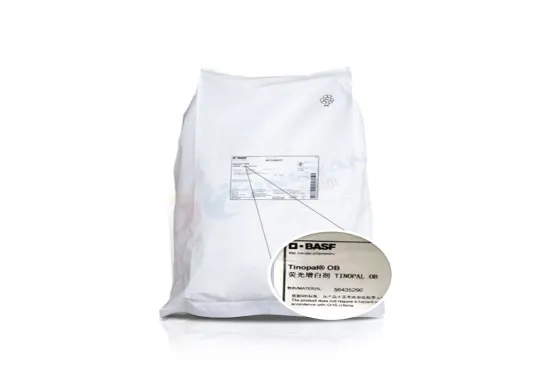
Croda’s Atmer 154, an alkoxylated fatty acid ester, is designed for soft PVC, providing anti - static performance from plant/synthetic sources.
Specialized formulation tailored for soft PVC antistatic requirements
Plant/synthetic hybrid composition for enhanced formulation flexibility
Delivers stable antistatic performance optimized for soft PVC substrates
Compatible with standard soft PVC processing workflows
Exclusively designed for antistatic modification of soft PVC materials
Ideal for soft PVC products in applications requiring static charge dissipation
Suitable for soft PVC components used in packaging, consumer goods, and industrial sectors
Model | Atmer 154 |
Component | Alkoxylated fatty acid ester |
Form (25℃) | Liquid |
Source | Plant/synthetic |
Notes | Only for soft PVC |
Q1: What types of polymers is Atmer 154 compatible with?
A: Atmer 154 is widely used in polyolefins such as polyethylene (PE) and polypropylene (PP), and demonstrates good compatibility with various thermoplastics including ABS, PS, and engineering resins. Its performance may vary depending on polymer polarity and processing conditions.
Q2: How is Atmer 154 typically incorporated into plastic formulations?
A: It is commonly added during compounding—either via masterbatch dilution or direct dry-blend with resin prior to extrusion or injection molding. Thermal stability allows it to withstand standard melt-processing temperatures without significant degradation.
Q3: Does Atmer 154 affect the mechanical or optical properties of the final product?
A: When used at recommended dosage levels, Atmer 154 generally has minimal impact on tensile strength, impact resistance, or clarity—particularly in thin films and transparent applications. However, excessive loading may influence surface gloss or haze, so optimization is advised for critical appearance requirements.
Q4: Is Atmer 154 suitable for food-contact or medical-grade applications?
A: Atmer 154 is not specifically designed or certified for food-contact or medical use. Customers requiring regulatory compliance for such applications should consult Croda’s regulatory team for available documentation and confirm suitability against their target jurisdiction’s requirements.
Contact With Us:
E-mail: wangxingqiang@ericwchem.com
Have a Questions? Call Us:
Add:
Building A1, Jiete Industrial Park, Huangpu District, Guangzhou City, Guangdong Province, China