English
 Español
 tiếng việt
 русский
Croda Anti-Static Agent Atmer 129 is a plant-based glyceride in microbead form, specially formulated for polymers like polyolefins and flexible PVC. It delivers excellent antistatic performance, acts quickly, and exhibits strong synergistic effects with Atmer 163. Additionally, it aids in mold release and works synergistically with ethoxylated amines, making it versatile for various polymer processing scenarios.
Plant-derived glyceride composition, microbead form for easy handling and application
Fast antistatic effect, suitable for all polyolefin materials
Strong synergistic performance with Atmer 163 and ethoxylated amines
Dual function: provides antistatic protection and aids in mold release during processing
Antistatic treatment for LDPE/LLDPE, HDPE, PP and EVA polymers
Static control for flexible PVC, PC and ABS materials
Applied in polyolefin film production and polyolefin injection molding processes
Model Number | Atmer 129 |
Product Category | Plant Glyceride Anti-Static Agent |
Brand | Croda |
Product Form | Microbeads |
Recommended Dosage (Polyolefin Films) | 0.1% - 0.5% |
Recommended Dosage (Polyolefin Injection Molding) | 0.5% - 1% |
Recommended Dosage (Flexible PVC) | 0.5% - 1% |
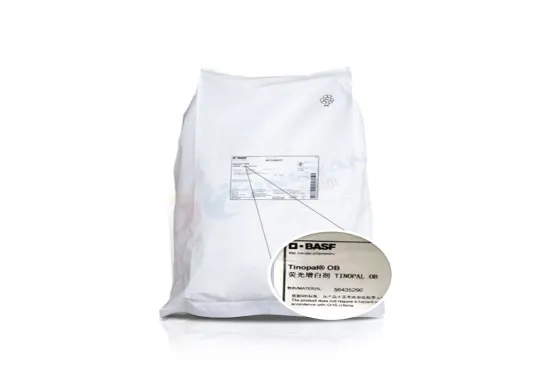
Packaging Specification | 25 kg per package |
Storage Requirement | Sealed, stored in cool, dry and well-ventilated area; avoid direct sunlight |
Synergistic Partner | Compatible with Atmer 163 and ethoxylated amines |
Q1: What types of polymers is Atmer 129 compatible with?
A: Atmer 129 is widely used in thermoplastic polymers including polyolefins (e.g., PP and HDPE), ABS, PS, and engineering plastics such as PC and PA. Its compatibility stems from its non-ionic surfactant structure and balanced hydrophile-lipophile characteristics.
Q2: How is Atmer 129 typically incorporated into polymer formulations?
A: It is commonly added during compounding—either via dry blending prior to extrusion or directly dosed into the extruder feed throat or side feeder. It can also be supplied pre-dispersed in masterbatch form for improved handling and dispersion uniformity.
Q3: Does Atmer 129 affect the mechanical or optical properties of the final plastic part?
A: When used at recommended dosage levels, Atmer 129 generally has minimal impact on tensile strength, impact resistance, or clarity. Some surface migration may occur over time, which contributes to sustained antistatic performance without significantly compromising bulk properties.
Q4: Is Atmer 129 suitable for applications requiring low extractables or food-contact compliance?
A: Atmer 129 is formulated to meet general requirements for low volatility and low extractability in polyolefin systems. While it is not pre-approved for all food-contact regulations, it is frequently evaluated by compounders for use in indirect food-contact applications where regulatory assessment is conducted on a case-by-case basis.
Contact With Us:
E-mail: wangxingqiang@ericwchem.com
Have a Questions? Call Us:
Add:
Building A1, Jiete Industrial Park, Huangpu District, Guangzhou City, Guangdong Province, China