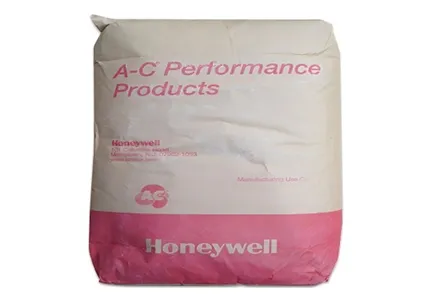
Rhodoline DF691 is a mineral oil-based, silicone-free defoamer from Solvay (Rhodia, France), specifically formulated for aqueous systems. It is positioned to deliver rapid foam knockdown, long-lasting inhibition, and stability in challenging pH conditions, making it a reliable choice for diverse industrial applications.

Mineral oil-based formulation enhanced with nonionic surfactants, balancing efficiency and compatibility.
Silicone-free, minimizing the risk of surface defects like craters—critical for coating applications where finish quality is key.
APEO-free and VOC-free, aligning with sustainable and eco-friendly standards to support green manufacturing practices.
Emulsion paints and coatings (preventing surface defects)
Adhesive manufacturing (ensuring process efficiency)
Agricultural sprays (maintaining application consistency)
Wastewater treatment (managing foam in industrial effluents)
Appearance | Opaque brown liquid |
Density (25°C) | Approximately 0.85 g/cm³ |
Viscosity (25°C) | 200–1,000 Cps |
Chemical Composition | Mineral oil-based with nonionic surfactants |
Solubility | Dispersible in water |
Flash Point | > 180°C (non-flammable) |
pH Range | Effective in both acidic and alkaline conditions |
Q1: What types of industrial formulations is Rhodoline DF 691 Defoamer typically used in?
A: Rhodoline DF 691 is commonly employed in water-based industrial coatings, architectural paints, adhesives, construction mortars, and cleaning formulations where persistent foam interferes with processing, application, or final film quality.
Q2: How does Rhodoline DF 691 differ from silicone-based defoamers?
A: Unlike many silicone-based systems, Rhodoline DF 691 is a non-silicone, mineral oil–based defoamer designed to minimize surface defects such as craters or pinholes while offering good compatibility and long-term storage stability in sensitive aqueous systems.
Q3: What is the recommended addition method for optimal performance?
A: For best results, Rhodoline DF 691 should be added during the let-down or post-addition stage—after high-shear dispersion of pigments and fillers—to avoid premature deactivation and ensure uniform distribution without compromising foam control efficiency.
Q4: Is Rhodoline DF 691 compatible with biocides and other common additives?
A: Yes, Rhodoline DF 691 demonstrates broad compatibility with common preservatives, thickeners, dispersants, and pH adjusters found in modern water-based formulations, though compatibility testing under actual formulation conditions is always recommended.
Contact With Us:
E-mail: wangxingqiang@ericwchem.com
Have a Questions? Call Us:
Add:
Building A1, Jiete Industrial Park, Huangpu District, Guangzhou City, Guangdong Province, China
 English
 Español
 tiếng việt
 русский