English
 Español
 tiếng việt
 русский
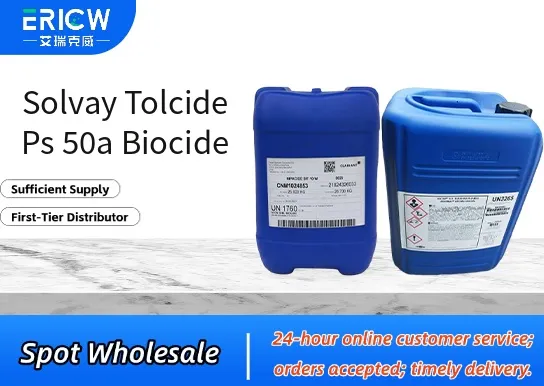
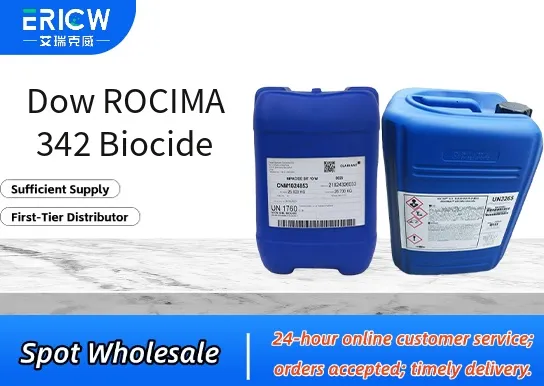
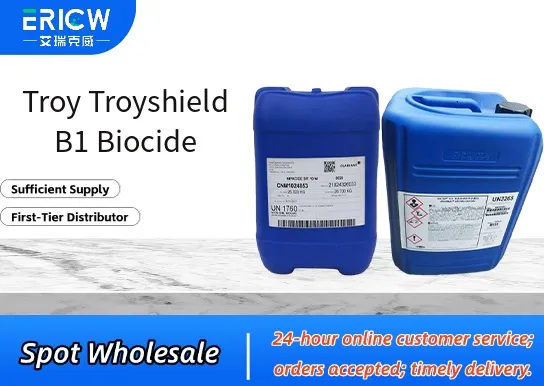
Clariant Nipacide IB is an in-can biocide from Nipacide series, formulated with CMIT/MIT and Bronopol, APEO-free, broad-spectrum and efficient, for stable preservation of various water-based products.
Composite broad-spectrum – Rapidly kills bacteria, yeast and fungi
APEO-free – Meets modern environmental requirements
Good water compatibility – Fits most water-based industrial systems
High efficiency at low dosage – Low use level, long-lasting effect
Easy to dose and disperse – Convenient for productio
Water-based paints & latex coatings
Water-based adhesives & PVA emulsions
Polymer emulsions
Aqueous color pastes & inks
Household cleaning & personal care products
| Brand | Clariant |
| Product Type | In-can biocide |
| Active Ingredients | CMIT/MIT + Bronopol |
| Form | Liquid |
| Environmental Feature | APEO-free |
| Core Function | Broad-spectrum antibacterial, in-can preservation |
| Applicable Systems | Water-based coatings, emulsions, adhesives, pastes, cosmetics |
Q1: What is the primary mode of action of Nipacide IB?
A: Nipacide IB functions as a broad-spectrum fungicide through inhibition of fungal cell wall synthesis and disruption of membrane integrity, delivering reliable protection against common spoilage fungi in water-based industrial systems.
Q2: In which types of industrial formulations is Nipacide IB commonly used?
A: It is widely applied in water-miscible metalworking fluids, latex paints and coatings, adhesives, construction chemicals, and other aqueous industrial products where long-term microbial stability is required.
Q3: Is Nipacide IB compatible with common biocides used in dual-preservative systems?
A: Yes, Nipacide IB demonstrates good compatibility with many isothiazolinones, formaldehyde donors, and other complementary antimicrobials, enabling synergistic preservation strategies—compatibility testing under actual formulation conditions is recommended.
Q4: How should Nipacide IB be dosed in a typical formulation?
A: Dosage depends on formulation composition, pH, temperature, and microbial challenge level; it is typically used at low concentrations, generally ranging from 0.1% to 2% by weight of the final product, with optimization via laboratory challenge testing.
Q5: Does Nipacide IB require special handling or storage conditions?
A: It should be stored in its original sealed container at room temperature, protected from direct sunlight and excessive moisture; standard industrial chemical handling practices—including appropriate PPE—are recommended during handling and dosing.
Contact With Us:
E-mail: wangxingqiang@ericwchem.com
Have a Questions? Call Us:
Add:
Building A1, Jiete Industrial Park, Huangpu District, Guangzhou City, Guangdong Province, China