English
 Español
 tiếng việt
 русский
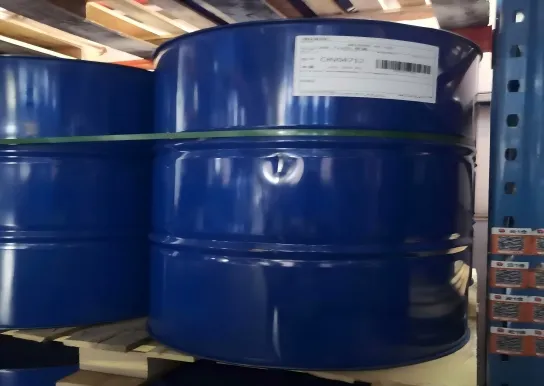
WACKER FINISH WR 1100 is a premium aminoethyl-aminopropyl functional silicone fluid in Wacker’s FINISH WR series, designed for fiber and textile soft finishing, with dual amino groups to enhance reactivity, softness, elasticity and wash resistance in various formulations.
High dual amino reactivity - Aminoethyl + aminopropyl groups, excellent crosslinking and softening
100% active liquid formula - Ready for direct addition into water-based/solvent-based finishing formulations
Excellent wash resistance - Fabrics maintain softness and elasticity after multiple washes/dry cleans
Low yellowing - Minimal impact on fabric whiteness and color fastness, suitable for light-colored fabrics
Enhanced mechanical properties - Improves crease recovery, sewability and tear strength
Textile soft finishing - Imparts soft and elastic hand feel to cotton, PES, nylon and other fabrics
Apparel and home textiles - High-end soft treatment for shirts, sportswear, bed linens and curtains
Synthetic fiber modification - Improves hand feel and wash resistance of PES, PA and other synthetic fibers
Industrial fabrics - Enhances softness and durability of filter cloths, tent fabrics and industrial textiles
Leather care - Improves leather softness, luster and aging resistance
| Appearance | Colorless transparent to slightly turbid liquid |
| Density (25℃) | 0.96-0.98 g/cm³ |
| Dynamic Viscosity (25℃) | Approx. 5000 mPa·s |
| Refractive Index (25℃) | 1.403-1.405 |
| Flash Point | >280℃ |
| Water Content | <50 mg/kg |
| Applicable Temperature Range | -50℃~200℃ |
Q1: What is the primary function of WACKER FINISH WR 1100 in coating and ink formulations?
A: WACKER FINISH WR 1100 is a polydimethylsiloxane-based silicone oil designed to provide surface leveling, reduce surface tension, and suppress foam formation. It enhances gloss uniformity, improves substrate wetting, and helps minimize defects such as craters or orange peel in solvent-borne and high-solids systems.
Q2: Is WACKER FINISH WR 1100 compatible with common resin systems used in industrial coatings?
A: Yes — it demonstrates good compatibility with acrylics, polyurethanes, alkyds, and epoxy resins. Due to its low surface energy and non-reactive nature, it typically does not interfere with curing mechanisms or film formation, though compatibility testing under specific formulation conditions is recommended prior to full-scale use.
Q3: How should WACKER FINISH WR 1100 be incorporated into a formulation to ensure optimal performance?
A: It is generally added during the let-down or post-addition stage, after pigments and main binders are dispersed. To avoid reversion or poor incorporation, stir gently but thoroughly at moderate shear. Dosage depends on formulation requirements but typically ranges from 0.1% to 2% by weight relative to total formulation solids.
Q4: Does WACKER FINISH WR 1100 affect adhesion or overcoatability?
A: When used within recommended dosage levels, it does not significantly impair intercoat adhesion or overcoatability. However, excessive addition may lead to surface migration and potential interfacial incompatibility — therefore, application-specific validation is advised, especially for multi-layer or repair coating systems.
Contact With Us:
E-mail: wangxingqiang@ericwchem.com
Have a Questions? Call Us:
Add:
Building A1, Jiete Industrial Park, Huangpu District, Guangzhou City, Guangdong Province, China