English
 Español
 tiếng việt
 русский
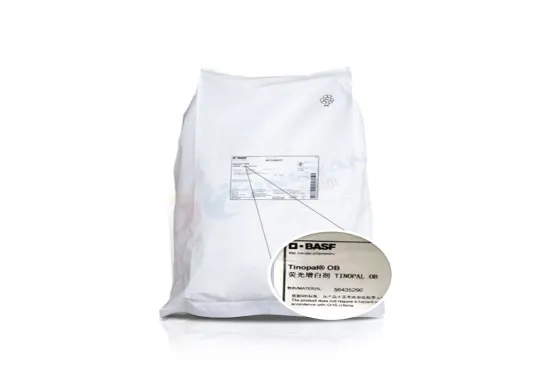
Croda’s Atmer 125, a plant - based glyceride anti - static agent, targets polyolefins and soft PVC for short - term static control, supplied mainly in Asia.
Delivers effective short-term antistatic performance for target polymers
Eco-friendly plant-derived formulation
Strategically supplied to meet market demand in Asia
Short-term static management for polyolefin and soft PVC products
Industrial scenarios requiring plant-based antistatic solutions in the Asian market
Polyolefin and soft PVC processing where immediate static control is critical
Model | Atmer 125 |
Component | Glyceride |
Form (25℃) | Microbeads |
Source | Plant |
Notes | For short - term anti - static, Asia supply only |
Q1: What types of polymers is Atmer 125 compatible with?
A: Atmer 125 is widely used in polyolefins such as polyethylene (PE) and polypropylene (PP), and shows good compatibility with engineering thermoplastics including ABS, PS, and certain polyesters. It is not recommended for highly polar or hydrolytically sensitive resins without prior compatibility testing.
Q2: How is Atmer 125 typically incorporated into polymer formulations?
A: It is commonly added during compounding—either via gravimetric feeders, side-stuffers, or pre-blended masterbatches. Due to its waxy solid form at room temperature, it performs best when melted and dispersed under standard extrusion or melt-mixing conditions.
Q3: Does Atmer 125 affect the mechanical or optical properties of the final polymer?
A: When used within typical dosage ranges, Atmer 125 generally has minimal impact on tensile strength, impact resistance, or haze—especially in opaque or pigmented applications. In high-clarity films, slight surface bloom may occur at elevated loadings, so optimization is advised.
Q4: Is Atmer 125 suitable for food-contact or medical-grade applications?
A: Atmer 125 is not specifically approved for direct food-contact or implantable medical devices. Its suitability for regulated applications depends on full formulation assessment, end-use conditions, and compliance verification against relevant regional regulatory frameworks.
Contact With Us:
E-mail: wangxingqiang@ericwchem.com
Have a Questions? Call Us:
Add:
Building A1, Jiete Industrial Park, Huangpu District, Guangzhou City, Guangdong Province, China