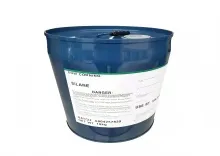
Evonik Dynasylan 9265 is a phenyl-functional silane designed for inorganic surface modification and sol-gel applications. This trifunctional organosilane combines hydrolyzable ethoxy groups with a thermally stable phenyl moiety, offering enhanced flexibility and performance in composite systems.

High Purity - 28.5% silica content with consistent quality
Tetrafunctional - Four ethoxy groups enable dense crosslinking
Controlled Reactivity - Tunable hydrolysis rates with acid/base catalysts
Excellent Stability - Forms durable Si-O-Si networks upon curing
Silicone Rubber - Crosslinking agent for high-temperature elastomers
Sealants & Adhesives - Moisture scavenger in one-component systems
Surface Coatings - Precursor for scratch-resistant hybrid coatings
Composite Materials - Binder for inorganic-organic hybrid systems
Nanomaterial Synthesis - Silica source for sol-gel processes
| Chemical Name | Tetraethyl Orthosilicate |
| SiO₂ Content | 28.5% |
| Functionality | Tetrafunctional |
| Appearance | Colorless liquid |
| Viscosity | Low |
| Hydrolysis Requirement | Acid/Base catalyst |
| Shelf Life | 1 year (sealed) |
| Packaging | 25kg/190kg/850kg |
Q1: What is the primary chemical functionality of Dynasylan 9265?
A: Dynasylan 9265 is an amino-functional silane, featuring a primary amine group attached to a triethoxysilane backbone. This dual-reactivity enables covalent bonding with both inorganic surfaces (e.g., glass, metals, minerals) and organic polymers (e.g., epoxies, polyurethanes, acrylics), facilitating strong interfacial adhesion.
Q2: In which types of formulations is Dynasylan 9265 most commonly applied?
A: It is widely used in high-performance coatings, structural adhesives, composite matrices (especially fiber-reinforced plastics), and mineral-filled polymer systems—where enhanced wetting, dispersion stability, and long-term durability under humid or thermal stress are critical.
Q3: How should Dynasylan 9265 be incorporated into a formulation?
A: It is typically added directly to the organic phase or pre-hydrolyzed in a water/alcohol mixture before incorporation. Optimal addition timing and method depend on the system pH, solvent composition, and processing temperature—pre-hydrolysis is recommended when maximum silanol reactivity is required for surface modification.
Q4: Does Dynasylan 9265 require special handling or storage conditions?
A: Yes—it is moisture-sensitive and should be stored under dry, inert conditions (e.g., nitrogen blanket) in tightly sealed containers. Prolonged exposure to ambient humidity may lead to premature condensation and reduced efficacy. Recommended storage temperature is 5–25 °C.
Contact With Us:
E-mail: wangxingqiang@ericwchem.com
Have a Questions? Call Us:
Add:
Building A1, Jiete Industrial Park, Huangpu District, Guangzhou City, Guangdong Province, China
 English
 Español
 tiếng việt
 русский