English
 Español
 tiếng việt
 русский
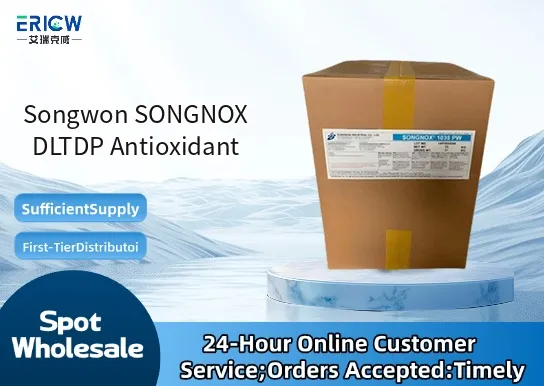
High-efficiency primary antioxidant based on hindered phenol chemistry for superior long-term thermal stability.
Excellent compatibility with polyolefins, including PP, HDPE, and LDPE, without blooming or migration issues.
Low volatility and high melting point ensure retention during high-temperature processing such as extrusion and injection molding.
Non-staining and low color formation—ideal for applications requiring optical clarity and color fidelity.
Synergistic performance when combined with secondary antioxidants (e.g., phosphites) for enhanced oxidative resistance.
Polypropylene (PP) fibers and nonwovens for automotive and hygiene applications.
HDPE and LDPE packaging films, including food-contact and heavy-duty sacks.
Automotive interior components such as dashboards, trim, and under-hood parts.
Medical-grade polyolefin tubing and containers requiring regulatory-compliant stabilization.
Rotomolded tanks and industrial containers exposed to prolonged UV and thermal stress.
| Chemical Type | Hindered phenol (2,6-di-tert-butyl-4-methylphenol derivative) |
| Product Form | Free-flowing white to off-white crystalline powder |
| Appearance | Crystalline solid, free of visible impurities |
| Melting Point | 115–120 °C (determined by DSC, 10 °C/min) |
| Assay (by HPLC) | ≥ 99.0% |
| Volatile Matter (105 °C, 2 h) | ≤ 0.3% |
| Residue on Ignition | ≤ 0.1% |
| Primary Applications | Polyolefins (PP, PE), engineering plastics, and elastomers |
Contact With Us:
E-mail: wangxingqiang@ericwchem.com
Have a Questions? Call Us:
Add:
Building A1, Jiete Industrial Park, Huangpu District, Guangzhou City, Guangdong Province, China