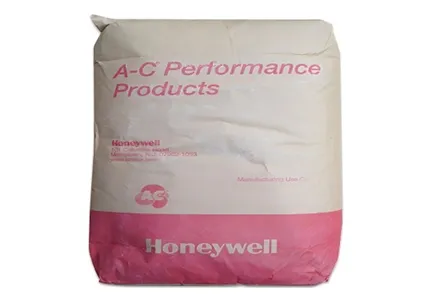
IGM Omnirad BP flakes is a high-efficiency benzophenone Type II free radical UV photoinitiator in the Omnirad series, designed for UV radiation curing systems. As a widely used Type II initiator, it can efficiently decompose to generate free radicals when exposed to UV light, quickly initiating the polymerization of acrylates and other unsaturated oligomers. With flake form for easy processing and control, it has strong compatibility and outstanding cost performance
High-efficiency Type II initiation - Benzophenone core structure, high free radical initiation efficiency, fast curing speed, suitable for surface and through cure
Significant synergistic effect - When used with tertiary amine synergists, it can greatly improve initiation performance and curing effect
Multi-system adaptation - Compatible with clear, white, pigmented and water-based systems, extremely versatile, no formula adjustment needed
Easy flake control - White flake solid, easy to weigh, store and transport, accurate addition and convenient processing
High purity and stability - High purity, low volatility, stable performance during storage and processing, excellent batch consistency
Printing ink field - Offset, screen, flexo inks, fast curing, high printing precision, suitable for various substrates
Wood coating field - Wood UV varnishes/colored paints, strong adhesion, improving wood weather resistance and decorative texture
Plastic coating field - UV protective coatings for plastic surfaces, excellent scratch resistance and chemical resistance, good fit
Paper coating field - Paper UV curing coatings, high efficiency curing, enhancing paper surface wear resistance and gloss
UV adhesive field - Universal acrylate UV adhesives, high bonding strength, suitable for conventional bonding scenarios
| Brand | IGM (Omnirad® series) |
| Chemical Type | Benzophenone Type II free radical UV photoinitiator |
| Chemical Composition | Benzophenone |
| Alias | Benzophenone, Photoinitiator BP, BP flakes |
| CAS No | 119-61-9 |
| Appearance (25℃) | White flake solid |
| Purity | ≥99.5% |
| Molecular Weight | 182.2g/mol |
| Melting Point | 47-51℃ |
| Absorption Wavelength Range | 250-350nm (in methanol) |
Q1: What is the primary function of IGM Omnirad BP flakes in UV-curable formulations?
A: IGM Omnirad BP flakes serve as a Type II photoinitiator that absorbs UV light and generates reactive species—primarily free radicals—upon interaction with co-initiators (e.g., tertiary amines), enabling efficient polymerization of acrylate-based resins under medium-pressure mercury lamp or LED-395 nm sources.
Q2: How does the flake form benefit formulation and processing compared to liquid or powder alternatives?
A: The flake morphology offers improved handling safety, reduced dust generation during dosing, enhanced storage stability, and more consistent dispersion in viscous resin systems—particularly beneficial for high-solids or solvent-free formulations where uniform distribution is critical.
Q3: Is this photoinitiator suitable for food-contact or medical-grade UV coatings?
A: While IGM Omnirad BP flakes are widely used in industrial and decorative coatings, suitability for regulated applications depends on full system compliance—including co-initiators, monomers, and final cured film properties. Formulators must conduct full regulatory evaluation per target market requirements; no pre-approval is implied by the base chemistry alone.
Q4: What are typical dosage guidelines for effective cure performance?
A: Dosage is formulation-dependent but generally ranges from 0.1% to 2% by weight relative to total formulation solids. Optimal loading balances surface cure, through-cure depth, yellowing tendency, and residual extractables—requiring empirical optimization for each resin system and irradiation setup.
Contact With Us:
E-mail: wangxingqiang@ericwchem.com
Have a Questions? Call Us:
Add:
Building A1, Jiete Industrial Park, Huangpu District, Guangzhou City, Guangdong Province, China
 English
 Español
 tiếng việt
 русский