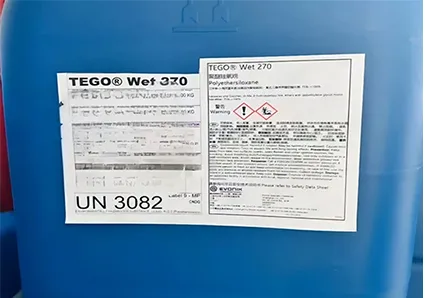
Clariant Aristoflex™ AVL is a cationic acrylate copolymer thickener designed for acidic (pH 2.5-5.5) and high-salt (≤20% NaCl) cosmetic formulations. Its charge-shielding polymer structure builds viscosity through hydrophobic associations, creating shear-thinning rheology without tackiness. The cold-processable liquid provides instant thickening in surfactant systems while maintaining clarity in transparent gels. Particularly effective in sulfate-free cleansing products and low-pH serums, it meets ECOCERT standards with 100% renewable carbon content
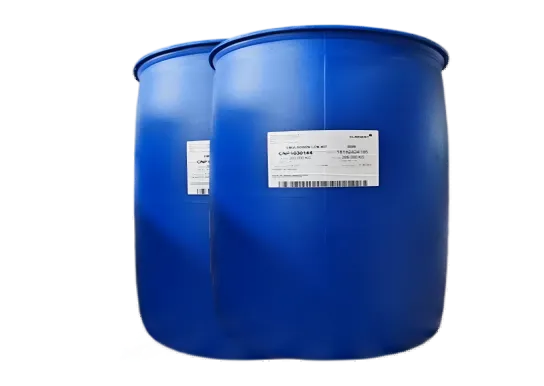
pH Resilience – Maintains viscosity stability across pH 2.5-8.0 .
Salt Activation – Achieves 50% higher viscosity in 15% NaCl solutions .
Sensory Enhancement – Imparts silky afterfeel without residue .
Process Flexibility – Develops full viscosity at 25-80°C .
Clean Formulation – Vegan-compliant and microbiome-friendly .
Acid Toners – Stabilizes AHA/BHA exfoliating solutions .
Baby Shampoos – Builds foam viscosity in tear-free systems .
Aluminum-Free Deodorants – Thickens ethanol-based transparent gels .
CBD Serums – Prevents oil separation in hemp seed oil formulations .
Chemical Type | Polymeric Thickener |
Appearance | White to Light Yellow Powder |
Brand | Clariant |
Model | Aristoflex AVL |
Active Ingredient | Acrylate Copolymer |
Solid Content | Approx. 100% |
pH Value | 2.5-4.5 (1% in water) |
Recommended Dosage | 0.1-1.0% |
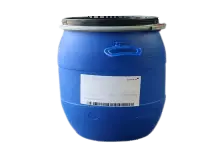
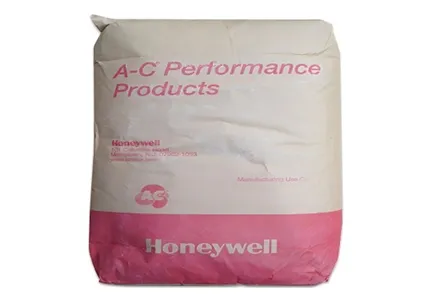
Packaging | 1kg/bag, 25kg/box |
Origin | Germany |
Q1: What is the primary function of Aristoflex AVL in personal care formulations?
A: Aristoflex AVL is a polyacrylate-based associative thickener designed to provide efficient viscosity enhancement and rheology control in aqueous systems—especially in surfactant-rich formulations such as shampoos, body washes, and facial cleansers. It delivers high clarity, excellent salt tolerance, and stable viscosity across a broad pH range.
Q2: How does Aristoflex AVL differ from traditional carbomer or cellulose-based thickeners?
A: Unlike conventional thickeners, Aristoflex AVL functions via hydrophobic association, enabling strong shear-thinning behavior, improved foam structure, and enhanced sensory properties—such as silky slip and reduced drag. It also requires no neutralization step and remains effective in low-pH or high-salt environments where many carbomers lose performance.
Q3: Is Aristoflex AVL compatible with common preservatives and active ingredients used in rinse-off products?
A: Yes, Aristoflex AVL demonstrates broad compatibility with widely used preservatives (e.g., parabens, phenoxyethanol, and isothiazolinones), common surfactants (including SLES, CAPB, and betaines), and many water-soluble actives such as panthenol, niacinamide, and glycerin. Compatibility testing is still recommended for specific high-load or sensitive ingredient combinations.
Q4: What is the typical dosage range for Aristoflex AVL in finished formulations?
A: Aristoflex AVL is typically used at low concentrations—generally ranging from 0.1% to 2.0% by weight—depending on the desired viscosity, surfactant system, and presence of electrolytes. Optimal dosage is best determined through small-scale formulation trials to balance thickening efficiency, clarity, and sensory profile.
Contact With Us:
E-mail: wangxingqiang@ericwchem.com
Have a Questions? Call Us:
Add:
Building A1, Jiete Industrial Park, Huangpu District, Guangzhou City, Guangdong Province, China
 English
 Español
 tiếng việt
 русский