English
 Español
 tiếng việt
 русский
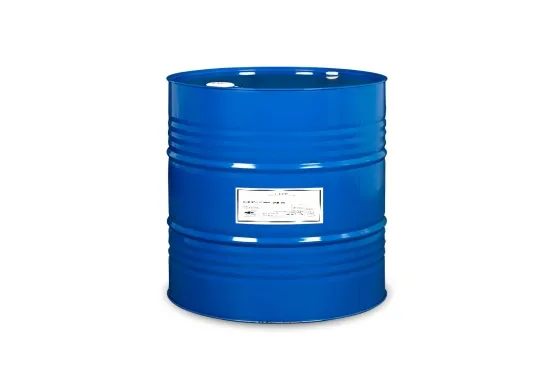
Dow SYL-OFF SL 18 Release Modifier is a high-performance solvent-free release modifier in the SYL-OFF series, designed for optimizing the release performance of low-temperature curing PEK release paper. It can precisely adjust and stabilize the release force of release paper, with excellent formulation compatibility and processing adaptability, efficiently improving the reliability of release substrates
Solvent-Free & Eco-Safe - No volatile solvents, meeting eco-friendly processing requirements
Low-Temp Curing Adaptability - Designed for low-temperature processes, ensuring PEK paper curing effect
Stable & Controllable Release Force - Precisely adjusts release force, stable at low and high peel speeds
Efficient Modification - Excellent release modification effect with small addition amount
PEK Release Paper Coating - Release modification of low-temperature curing PEK paper, improving release stability
Pressure-Sensitive Tape Release - Coating of release substrates for tapes, ensuring uniform peeling effect
Label Release Materials - Release treatment of label substrates, optimizing adhesion and peeling performance
Industrial Release Film Preparation - Functional modification of single/double-sided industrial release films
| Brand | DOW |
| Chemical Composition | Silicone-based release modified polymer (100% Active Ingredient) |
| Appearance | Clear to slightly hazy, viscous liquid |
| Solution Viscosity | 750 Centipoise (cP) |
| Specific Gravity (25℃) | 1 |
| Flash Point (Closed Cup) | >100℃ |
| Active Ingredient | 100% |
| Shelf Life | 540 Days (from date of manufacture) |
Q1: What is the primary function of Dow SYL-OFF SL 18 Silicone Oil in industrial formulations?
A: Dow SYL-OFF SL 18 Silicone Oil is a silicone-based surface additive designed to provide controlled surface migration, improve substrate wetting, reduce surface tension, and enhance slip and leveling—particularly in solvent-based and high-solids coatings, inks, and adhesives.
Q2: Is Dow SYL-OFF SL 18 compatible with common polymer systems such as acrylics, polyurethanes, and epoxies?
A: Yes, it demonstrates broad compatibility with many thermoset and thermoplastic resin systems, including acrylics, polyurethanes, and epoxy-based formulations. Compatibility should always be verified under actual processing and curing conditions due to variations in polarity, molecular weight, and formulation complexity.
Q3: How should Dow SYL-OFF SL 18 be incorporated into a formulation to ensure optimal performance?
A: It is typically added during the let-down or post-additive stage under moderate agitation. Pre-dilution in a compatible solvent or carrier resin may improve dispersion uniformity. Avoid high-shear mixing that could induce premature surface migration or phase separation.
Q4: Does Dow SYL-OFF SL 18 affect film formation or cure chemistry in reactive systems?
A: As a non-reactive silicone oil, it does not participate in crosslinking reactions. However, its surface activity may influence interfacial behavior during film formation—potentially impacting gloss development, mar resistance, or substrate adhesion. Evaluation in the final cured system is recommended.
Contact With Us:
E-mail: wangxingqiang@ericwchem.com
Have a Questions? Call Us:
Add:
Building A1, Jiete Industrial Park, Huangpu District, Guangzhou City, Guangdong Province, China