English
 Español
 tiếng việt
 русский
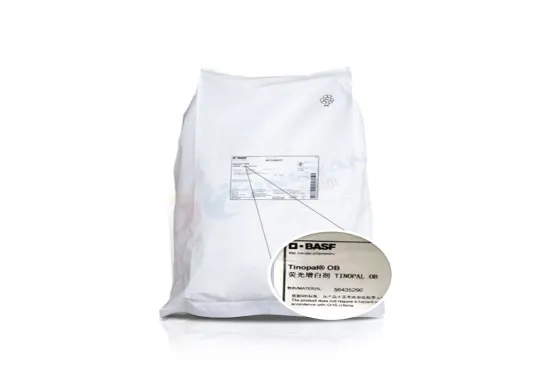
Croda’s Atmer 1012 is a non - plant - based glyceride anti - static agent for polyolefins and soft PVC, delivering short - term static control and lubrication balance.
Delivers short-term anti-static effect for target materials
Non-plant-sourced formulation to meet specific formulation requirements
Effective static control for polyolefin and soft PVC systems
Antistatic modification of polyolefins and soft PVC
Scenarios requiring non-plant-based short-term static control
Suitable for plastic products needing temporary static charge suppression
Model | Atmer 1013 NV |
Component | Glyceride |
Form (25℃) | Crystal grains |
Source | Non - plant |
Notes | For short - term anti - static performance |
Q1: What is the primary function of Atmer 1012 NV in polymer processing?
A: Atmer 1012 NV is a non-volatile, internally migrating antistatic agent designed to reduce surface resistivity and dissipate static charge in thermoplastic polymers during and after processing — particularly in applications where long-term antistatic performance is required without bloom or volatility concerns.
Q2: Which polymer systems is Atmer 1012 NV typically compatible with?
A: It demonstrates good compatibility with common engineering and commodity thermoplastics including polypropylene (PP), polyethylene (PE), polystyrene (PS), ABS, and certain polyesters — especially where thermal stability and low volatility are critical during extrusion or injection molding.
Q3: How does Atmer 1012 NV differ from volatile antistatic agents?
A: Unlike volatile antistats that migrate rapidly to the surface and may deplete over time or under heat/humidity, Atmer 1012 NV provides more persistent performance due to its non-volatile nature and balanced migration rate — supporting sustained antistatic functionality throughout the product lifecycle.
Q4: What is the typical dosage range for Atmer 1012 NV in finished compounds?
A: Dosage depends on polymer type, processing conditions, and target surface resistivity, but it is generally used at low concentrations — typically ranging from 0.1% to 2% by weight — with optimization recommended via small-scale trials.
Q5: Is Atmer 1012 NV suitable for applications requiring regulatory compliance for indirect food contact?
A: Atmer 1012 NV is formulated to meet broad regulatory expectations for indirect food contact in certain jurisdictions; however, final compliance depends on the full formulation, application conditions, and applicable local regulations — users should consult Croda’s regulatory documentation and conduct appropriate verification for their specific use case.
Contact With Us:
E-mail: wangxingqiang@ericwchem.com
Have a Questions? Call Us:
Add:
Building A1, Jiete Industrial Park, Huangpu District, Guangzhou City, Guangdong Province, China