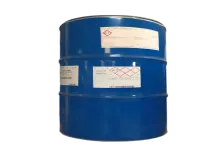
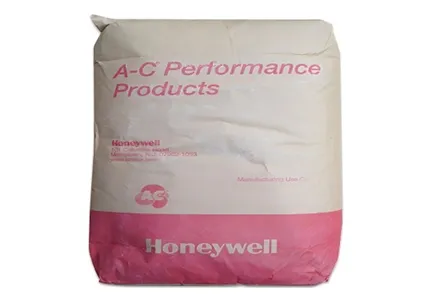
Clariant Emulsogen EPN 118 is a nonionic emulsifier for emulsion polymerization and coating formulations. It has a unique chemical structure, providing excellent emulsification, stability and compatibility—boosting emulsion system stability and enhancing coating wetting/leveling. It fits water-based coatings, adhesives and textile auxiliaries, ideal for high-emulsification, high-stability needs

Stable Emulsification: Improves emulsion stability and uniformity, preventing separation and sedimentation.
Low Foaming: Suitable for low-foam scenarios, reducing foam interference.
Wide Compatibility: Works with various oils and additives, fitting complex formulations.
Environmental Resistance: Maintains excellent performance under high temperature and shear, adapting to diverse processes.
Shampoos: Aids emulsification and stabilization, improving foam and cleansing effects.
Shower Gels: Enhances system stability, optimizing skin feel during use.
Lotions & Creams: Ensures emulsification uniformity, boosting moisturizing effects.
Sunscreens: Maintains formula stability, optimizing sun protection and skin feel.)
Chemical Type | Nonionic Surfactant |
Appearance | Colorless to Light Yellow Liquid |
Brand | Clariant |
Model | Emulsogen HCW 049 |
Active Ingredient | Ethoxylated Hydrogenated Castor Oil |
HLB Value | 15 |
Density (20℃) | 1.02-1.06 g/cm³ |
Packaging | 25kg/drum or 200kg/drum |
Origin | Germany |
Q1: What is the primary chemical nature of Emulsogen EPN 118?
A: Emulsogen EPN 118 is a nonionic surfactant based on ethoxylated aliphatic alcohols, designed to provide effective emulsification and stabilization in oil-in-water systems without ionic charge interference.
Q2: In which types of formulations is Emulsogen EPN 118 most commonly used?
A: It is widely employed in agrochemical concentrates (e.g., EC, SE, and OD formulations), industrial cleaning products, and functional coatings where low foaming, good water solubility, and compatibility with electrolytes are required.
Q3: How does Emulsogen EPN 118 perform in hard water or high-salt environments?
A: As a nonionic emulsifier, it exhibits excellent tolerance to hardness ions and high electrolyte concentrations, maintaining emulsion stability without precipitation or phase separation under typical use conditions.
Q4: What is the recommended dosage range for Emulsogen EPN 118 in emulsion formulations?
A: Dosage depends on formulation requirements, but it is typically used at low concentrations—generally ranging from 0.1% to 2% by weight of the total formulation—to achieve stable, fine-dispersed emulsions.
Q5: Is Emulsogen EPN 118 compatible with common pesticides and active ingredients?
A: Yes, it demonstrates broad compatibility with a wide range of hydrophobic active ingredients—including organophosphates, pyrethroids, and triazoles—as well as other formulation additives such as solvents, co-emulsifiers, and thickeners.
Contact With Us:
E-mail: wangxingqiang@ericwchem.com
Have a Questions? Call Us:
Add:
Building A1, Jiete Industrial Park, Huangpu District, Guangzhou City, Guangdong Province, China
 English
 Español
 tiếng việt
 русский