English
 Español
 tiếng việt
 русский
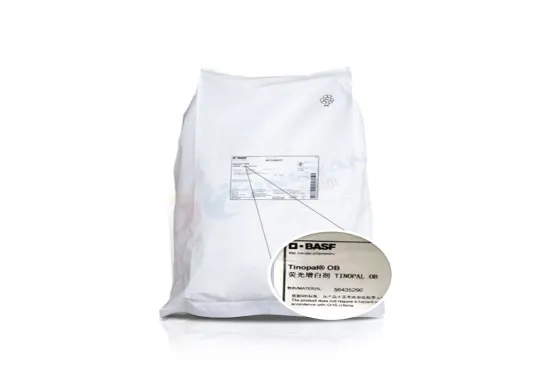
Croda’s Atmer 1013 NV is a non - plant - based glyceride anti - static agent for polyolefins and soft PVC, offering short - term static control.
Delivers short-term anti-static effect for target materials
Non-plant-sourced formulation to meet specific formulation requirements
Effective static control for polyolefin and soft PVC systems
Antistatic modification of polyolefins and soft PVC
Scenarios requiring non-plant-based short-term static control
Suitable for plastic products needing temporary static charge suppression
Model | Atmer 1013 NV |
Component | Glyceride |
Form (25℃) | Crystal grains |
Source | Non - plant |
Notes | For short - term anti - static performance |
Q1: What is the primary function of Atmer 1013 NV in polymer processing?
A: Atmer 1013 NV is a non-volatile, internally migrating antistatic agent designed to reduce surface resistivity and dissipate static charge in thermoplastic polymers—particularly polyolefins such as PP and HDPE—during and after processing.
Q2: Is Atmer 1013 NV suitable for food-contact or medical-grade applications?
A: Atmer 1013 NV is formulated for use in applications where regulatory compliance is required; however, final suitability depends on the complete formulation, processing conditions, and end-use requirements. Customers must conduct their own regulatory evaluation and migration testing to confirm compliance with applicable food contact or medical device regulations.
Q3: How is Atmer 1013 NV typically incorporated into polymer systems?
A: It is commonly added during compounding via masterbatch or direct melt blending. Due to its non-volatile nature and thermal stability, it remains effective through extrusion, injection molding, and thermoforming processes without significant loss or degradation.
Q4: Does Atmer 1013 NV affect the mechanical or optical properties of the final polymer?
A: When used at recommended dosage levels, Atmer 1013 NV generally has minimal impact on tensile strength, impact resistance, or clarity. However, excessive loading may influence surface appearance or long-term aging behavior, so optimization within the specific polymer matrix is advised.
Q5: Can Atmer 1013 NV be used alongside other additives such as antioxidants or slip agents?
A: Yes, Atmer 1013 NV is generally compatible with common polymer additives including hindered phenolic antioxidants, phosphites, and amide-based slip agents. Nevertheless, additive interactions should be verified experimentally in the target formulation to ensure synergistic performance and avoid antagonism.
Contact With Us:
E-mail: wangxingqiang@ericwchem.com
Have a Questions? Call Us:
Add:
Building A1, Jiete Industrial Park, Huangpu District, Guangzhou City, Guangdong Province, China