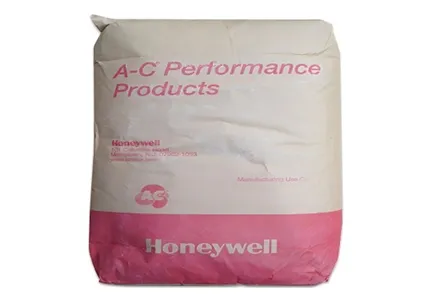
Eastman Tenite Butyrate 485E2R30010-Natural-Trsp is a natural transparent cellulose acetate butyrate plastic, custom-developed for automotive plastics, commercial and household appliances, non-food contact packaging components, point-of-purchase displays, tools and other fields. It contains 10% plasticizer with added odor mask and UV inhibitor (UVI)

10% Plasticizer for Balanced Toughness & Rigidity - 10% plasticizer ratio, balanced toughness and rigidity, suitable for automotive interior parts, home appliance shells and other scenes requiring high impact resistance and structural stability, ensuring long-term reliability in use.
Odor Mask for Low Odor & Comfort - Added odor mask, effectively reducing odor, suitable for automotive interiors, household appliances and other scenes with frequent human contact, improving product use experience.
UV Protection for Aging Resistance - Built-in UVI, not easy to age during long-term use in outdoor and retail display scenes, extending product service life.
Commercial & Household Appliance Shells - Used for kitchen appliances, office equipment shells, etc., low odor, environmental protection and beautiful appearance, suitable for home and office environments, improving quality of life and work.
Non-Food Contact Packaging Components - Used for non-food contact packaging containers, display boxes, etc., transparent with good texture, suitable for retail packaging, product display and other scenes, improving product packaging effect and attraction, helping terminal sales.
Point-of-Purchase Display Props - Used for shopping mall display stands, promotional props, etc., featuring high gloss and transparent texture, suitable for retail display fields, meeting diverse design needs and improving product display effects.
| Brand | Eastman |
| Chemical Type | Cellulose Acetate Butyrate |
| CAS Number | 9004-36-8 |
| Plasticizer Content | 10% |
| Special Additives | Odor Mask,UV Inhibitor (UVI) |
| Core Characteristics | Balanced Toughness & Rigidity,High Gloss,Natural Transparent,Low Odor |
| Appearance | Natural Transparent |
Q1: What are the key processing advantages of Eastman Tenite Butyrate 485E2R30010 compared to standard cellulose acetate?
A: This grade offers improved melt flow and lower processing temperatures due to its butyrate-modified backbone, enabling easier extrusion and injection molding—especially for thin-walled or highly detailed parts—while retaining excellent clarity and surface gloss.
Q2: Is this material suitable for applications requiring UV resistance and long-term outdoor exposure?
A: Yes—Eastman Tenite Butyrate resins exhibit inherently better UV stability than unmodified cellulose acetate, with reduced yellowing and embrittlement under prolonged sunlight exposure. For extended outdoor service, however, supplemental UV stabilizers are recommended depending on end-use conditions.
Q3: Can this resin be used in food-contact applications?
A: Eastman Tenite Butyrate 485E2R30010 is manufactured from FDA-compliant raw materials and is commonly used in food-contact applications such as packaging films and rigid containers. Final regulatory compliance depends on full formulation, processing conditions, and intended use—users must verify suitability per applicable regional requirements.
Q4: How does humidity affect drying and processing of this resin?
A: Like most cellulose esters, this grade is hygroscopic and requires thorough drying prior to processing. Recommended drying conditions are typically 4–6 hours at 60–70 °C under dehumidified air; insufficient drying may lead to surface defects, reduced clarity, or hydrolytic degradation during melt processing.
Contact With Us:
E-mail: wangxingqiang@ericwchem.com
Have a Questions? Call Us:
Add:
Building A1, Jiete Industrial Park, Huangpu District, Guangzhou City, Guangdong Province, China
 English
 Español
 tiếng việt
 русский