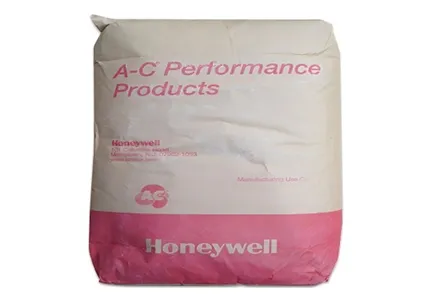
BASF IRGACURE 184 is a Type I free-radical UV photoinitiator in the IRGACURE series, 1-hydroxycyclohexyl phenyl ketone, white-grey crystalline powder, non-yellowing, thermally stable, initiating polymerization under UV, ideal for UV-curable acrylic varnishes, inks, electronic coatings, wood/plastic topcoats, compoundable with TINUVIN 292 for enhanced weatherability.

Efficient UV initiation - Rapid free-radical generation under UV, accelerating curing speed, shortening production cycle
Excellent non-yellowing - Minimal yellowing, suitable for outdoor and light-colored systems, ensuring long-term color stability
Superior miscibility & compounding - Compatible with most monomers/oligomers, usable alone or with other photoinitiators
High thermal stability & low migration - Good thermal stability, low migration, suitable for food-contact compliant formulations
Easy processing & wide adaptability - Easy to disperse, suitable for various film thicknesses, consistent batch performanc
Acrylic UV-curable varnishes - For paper, metal, plastic surfaces, improving gloss and weather resistance
Outdoor wood/plastic UV coatings - Suitable for outdoor weathering requirements, minimizing yellowing, ensuring long-lasting color
Flexo/screen UV inks - For packaging printing, enabling rapid curing and color stability
Electronic coatings - For PCB solder masks, optical film coatings, ensuring fine-pattern curing
Water-based UV dispersions - Suitable for water-based UV-curable coatings, ensuring curing efficiency and storage stability
| Brand | BASF |
| Chemical Type | Type I free-radical UV photoinitiator (1-hydroxycyclohexyl phenyl ketone) |
| Chemical Name | 1-hydroxycyclohexyl phenyl ketone |
| CAS No | 947-19-3 |
| Appearance (25℃) | White or off-white crystalline powder |
| Molecular Weight | 204.3 g/mol |
| Density (20℃) | 1.17 g/cm³ |
| Melting Point | 45-49℃ |
Q1: What is the primary mechanism of photoinitiation for IRGACURE 184?
A: IRGACURE 184 is a Type I photoinitiator that undergoes efficient α-cleavage upon UV irradiation (typically 250–350 nm), generating two reactive benzoyl and methyl radicals capable of initiating free-radical polymerization of acrylates and methacrylates.
Q2: Is IRGACURE 184 suitable for use in food-contact or medical-grade formulations?
A: IRGACURE 184 is widely used in coatings and inks intended for indirect food contact applications; however, final regulatory compliance depends on the complete formulation, processing conditions, and applicable regional regulations—users must conduct appropriate migration testing and consult current regulatory guidance before commercial use.
Q3: How does IRGACURE 184 perform in pigmented systems?
A: Due to its strong absorption in the near-UV range, IRGACURE 184 may exhibit reduced efficiency in highly pigmented or opaque formulations; optimal performance is typically achieved in clear or lightly tinted systems, and synergistic combinations with longer-wavelength photoinitiators are often recommended for pigmented applications.
Q4: What is the typical dosage range for IRGACURE 184 in UV-curable formulations?
A: Dosage depends on formulation composition, film thickness, and irradiation conditions, but IRGACURE 184 is generally used at low concentrations—commonly ranging from 0.1% to 2% by weight relative to total formulation solids.
Q5: Does IRGACURE 184 require thermal post-cure to achieve full properties?
A: No—IRGACURE 184 enables rapid, room-temperature curing under appropriate UV exposure; full conversion and final properties are typically achieved during the primary UV exposure step without mandatory thermal treatment, though post-cure may be applied optionally for specific performance enhancements.
Contact With Us:
E-mail: wangxingqiang@ericwchem.com
Have a Questions? Call Us:
Add:
Building A1, Jiete Industrial Park, Huangpu District, Guangzhou City, Guangdong Province, China
 English
 Español
 tiếng việt
 русский