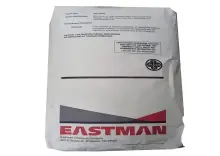
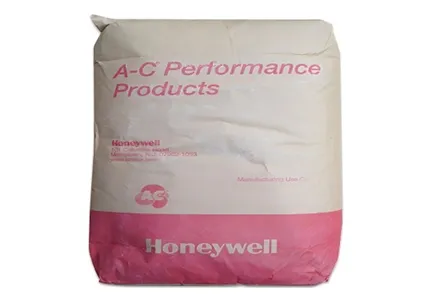
Features Of Eastman Olefin Resin Endex
Melt Flow Optimization: Enhances processability of styrenic and elastomeric materials for diverse molding techniques
Thermal Stability: Maintains mechanical integrity at elevated temperatures (up to 70°C+), suitable for demanding environments
Adhesion Control: Balanced cohesion and tack for strong initial bonding and long-term durability
Weather Resistance: UV and oxidation resistance ensure extended outdoor service life
Material Compatibility: Works seamlessly with polymers like TPE, SBS, and EVA for tailored modifications
Typical Applications Of Eastman Olefin Resin Endex
Adhesive Systems: Packaging tapes, bookbinding glues, and hygiene product adhesives
Elastomer Enhancement: Footwear, automotive seals, and tire components via TPE/TPR modification
Coatings & Inks: Improves adhesion and weather resistance in printing inks and protective coatings
Industrial Materials: Film modification, roofing layers, and casting wax applications
Specifications Of Eastman Olefin Resin Endex
| Model | Chemical Composition | Appearance | Compatibility |
| Endex 160 | Purified aromatic monomer polymer | Water-white granules | SBS/SEBS/SIS/EVA/Natural Rubber |
| Endex 155 | Hydrogenated aromatic hydrocarbon resin | Water-white pellets | SBS/SIS/SEBS/PS and other styrenic polymers |
|
|
|
Eastman Olefin Resin Endex – Frequently Asked Questions (FAQ)
Q1: What is the primary function of Eastman Olefin Resin Endex in polymer formulations?
A: Endex is a hydrocarbon-based olefin resin commonly used as a tackifier and compatibility enhancer—particularly in ethylene-propylene rubber (EPR), EPDM, and polyolefin-based compounds—to improve adhesion, melt tack, and phase dispersion without significantly compromising thermal or mechanical performance.
Q2: Is Endex compatible with polar polymers such as EVA or acrylics?
A: Endex exhibits limited compatibility with highly polar resins due to its nonpolar hydrocarbon nature. While it may be partially blended with EVA under controlled conditions, optimal performance is achieved in nonpolar or low-polarity systems like polyolefins, styrenics, and diene rubbers. Compatibility testing is recommended for any polar formulation.
Q3: How does Endex affect the processing behavior of hot-melt adhesives?
A: In hot-melt adhesive formulations, Endex contributes to improved open time, enhanced green strength, and better cohesive integrity at elevated service temperatures—without introducing significant volatility or odor, supporting clean processing and end-use performance.
Q4: Can Endex be used in food-contact applications?
A: Endex is manufactured to meet general requirements for indirect food contact under FDA 21 CFR §175.105 (adhesives) and §178.3710 (polymer modifiers), subject to compliance with final formulation conditions and intended use parameters. End users are responsible for verifying regulatory suitability for their specific application.
 English
 Español
 tiếng việt
 русский