English
 Español
 tiếng việt
 русский
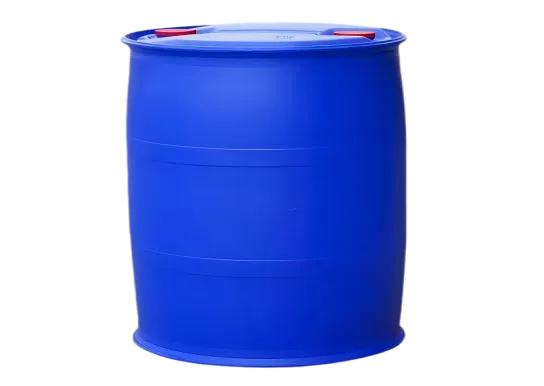
OMG Borchers Gen 1251 is a high-efficiency wetting dispersant specially designed for solvent-based systems under OMG Borchers, developed for various solvent-based coatings, color pastes and ink systems, with modified polyurethane polymer compounds as the core component. It is a full liquid formula without harmful additives, with outstanding wetting and dispersion efficiency, excellent adaptability to various organic and inorganic pigments
Full-effect dispersion adaptability - Compatible with organic and inorganic pigments, high dispersion efficiency and no compatibility conflict
System stability improvement - Inhibit pigment flocculation and agglomeration, ensure stable storage and construction process
Color development optimization - Improve pigment tinting strength and color saturation, restore true color
Excellent construction performance - Reduce system viscosity, improve coating leveling and construction fluency
Paint film performance enhancement - Improve paint film gloss and compactness, strengthen scratch resistance
General industrial coatings - Various general industrial protective coatings, improve dispersion stability and protection
High-end decorative coatings - Interior and exterior wall decorative coatings, optimize color uniformity and paint film decoration
General color paste preparation - Production of various color pastes, ensure color paste stability and coloring effect
Plastic special coatings - Plastic substrate coatings, enhance pigment dispersion and paint film adhesion
Ink preparation system - Various printing inks, improve ink tinting strength and printing definition
| Brand | OMG Borchers (OMG Additives) |
| Chemical Type | Universal modified polyurethane wetting dispersant |
| Chemical Composition | Modified polyurethane polymer compound |
| Appearance (20°C) | Pale yellow transparent liquid |
| Non-volatile Content (Solid Content) | 65±2% |
| Ionicity | Non-ionic |
| Specific Gravity (20°C) | Approx. 1.04-1.08 g/cm³ |
| Viscosity (25°C) | Approx. 250-750 mPa·s |
Q1: What types of pigments and fillers is Gen 1251 especially effective for?
A: Gen 1251 is particularly effective for hydrophobic organic pigments (e.g., phthalocyanines, quinacridones) and inorganic pigments such as titanium dioxide and iron oxides. It also supports stable dispersion of functional fillers like silica, calcium carbonate, and talc in aqueous and solvent-borne systems.
Q2: Can Gen 1251 be used in both water-based and solvent-based coatings?
A: Yes — Gen 1251 is formulated to deliver robust wetting and dispersing performance across a broad range of media, including water-based architectural and industrial coatings, as well as solvent-borne systems based on aromatic or aliphatic hydrocarbons and oxygenated solvents.
Q3: How does Gen 1251 improve storage stability of pigment concentrates (millbases)?
A: Gen 1251 provides steric stabilization through its tailored polymeric architecture, helping to prevent pigment agglomeration and sedimentation during long-term storage. This contributes to consistent viscosity, reduced settling, and improved reproducibility in downstream let-down processes.
Q4: Is Gen 1251 compatible with common rheology modifiers and other additives?
A: Gen 1251 demonstrates good compatibility with associative and non-associative thickeners, defoamers, surfactants, and crosslinkers typically used in modern coating formulations. Compatibility should always be verified under actual formulation conditions due to system-specific interactions.
Q5: What is the typical dosage range for Gen 1251 in pigment dispersions?
A: Dosage depends on pigment type, loading, and desired performance, but Gen 1251 is generally used at low concentrations — typically ranging from 0.1% to 2% by weight relative to pigment solids — with optimization recommended via lab-scale trials.
Contact With Us:
E-mail: wangxingqiang@ericwchem.com
Have a Questions? Call Us:
Add:
Building A1, Jiete Industrial Park, Huangpu District, Guangzhou City, Guangdong Province, China