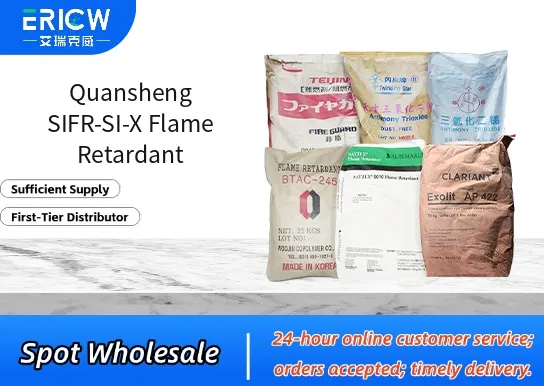
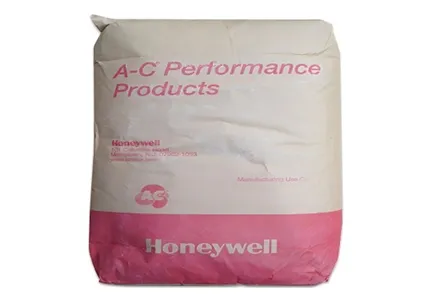
ICL Dead Sea FR-1025 is a premium poly(pentabromobenzyl acrylate) flame retardant with 71% aromatic bromine content. This white powder offers exceptional thermal stability (up to 320°C) and flow properties, making it ideal for engineering thermoplastics. Its polymeric nature ensures excellent compatibility with glass-filled systems while maintaining superior electrical properties and impact strength in final products.

High-Efficiency Protection - 71% bromine content for superior flame retardancy
Thermal Stability - Maintains performance up to 320°C
Processing Advantage - Excellent flow characteristics
Material Compatibility - Works well with glass-filled compounds
Electrical Performance - Maintains dielectric properties
Electrical Components - Connectors and circuit breakers
Automotive Parts - Under-hood components and sensors
Electronic Housings - Computer and appliance casings
Industrial Equipment - Pump components and valves
Consumer Products - Power tool housings
| Chemical Name | Poly(pentabromobenzyl acrylate) |
| Physical Form | White to off-white powder |
| Bromine Content | 71% ± 1% |
| Melting Range | 190-220°C |
| Molecular Weight | ~600,000 g/mol |
| Decomposition Temp | 320°C (5% weight loss) |
| Density | 2.5 g/cm³ |
Q1: What is the primary chemical nature of FR-1025 and how does it function as a flame retardant?
A: FR-1025 is an inorganic bromine-based flame retardant derived from Dead Sea brine sources. It acts primarily through gas-phase radical quenching during combustion, interrupting the chain propagation of fire reactions. Its inorganic matrix contributes to char stabilization and reduced smoke generation compared to some organic alternatives.
Q2: In which polymer systems is FR-1025 most commonly used?
A: FR-1025 is widely employed in engineering thermoplastics such as polyamide (PA6, PA66), polybutylene terephthalate (PBT), and polycarbonate blends. It is also compatible with certain thermosets and elastomer formulations where halogen synergy—especially with antimony trioxide—is leveraged for enhanced efficiency.
Q3: How does FR-1025 compare to other brominated flame retardants in terms of thermal stability and processing safety?
A: FR-1025 exhibits higher thermal stability than many low-molecular-weight brominated compounds, allowing safe processing at typical extrusion and injection molding temperatures. Its inorganic origin imparts lower volatility and reduced risk of plate-out or degradation-related discoloration during high-shear compounding.
Q4: Is FR-1025 suitable for applications requiring compliance with RoHS or REACH?
A: FR-1025 contains bromine and is not classified as RoHS-exempt under current EU directives. However, it is registered under REACH and supplied with full documentation supporting its safe handling and use in industrial settings. Regulatory suitability must be evaluated case-by-case based on final article requirements and applicable exemptions.
Q5: What is the typical dosage range required to achieve V-0 rating in common polymers?
A: Dosage depends on polymer type, filler content, and synergist usage, but FR-1025 is typically used at low concentrations—generally ranging from 0.1% to 2% by weight—when combined with appropriate antimony-based synergists to meet UL 94 V-0 performance in thin-section parts.
Contact With Us:
E-mail: wangxingqiang@ericwchem.com
Have a Questions? Call Us:
Add:
Building A1, Jiete Industrial Park, Huangpu District, Guangzhou City, Guangdong Province, China
 English
 Español
 tiếng việt
 русский