English
 Español
 tiếng việt
 русский
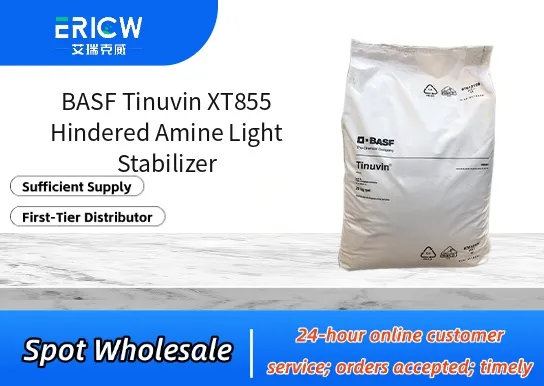
High-performance hindered amine light stabilizer (HALS) with exceptional long-term UV protection for polyolefins and engineering plastics.
Low volatility and excellent thermal stability, enabling use in high-temperature processing such as injection molding and extrusion.
Good compatibility with polypropylene (PP), polyethylene (PE), thermoplastic elastomers (TPE), and filled polymer systems.
Non-migrating design minimizes surface blooming and enhances retention of mechanical properties during outdoor aging.
Halogen-free formulation supports regulatory compliance and sustainability requirements for automotive and consumer goods applications.
Automotive interior components including dashboards, door trims, and pillar covers.
Outdoor furniture and garden products exposed to prolonged sunlight and weathering.
Geotextiles and agricultural films requiring extended UV resistance in open-field conditions.
Polypropylene-based nonwovens for hygiene and medical packaging with demanding shelf-life requirements.
Blends of PP/EPDM and TPO used in exterior automotive trim and under-hood components.
| Chemical Type | Hindered amine light stabilizer (HALS), tetramethylpiperidine derivative |
| Product Form | Pellets |
| Appearance | Off-white to light yellow free-flowing pellets |
| Primary Applications | Polyolefins (PP, HDPE, LDPE), TPO, TPE, PP/EPDM blends |
| Key Features | Low volatility, halogen-free, non-migrating, high thermal stability |
| Benefits | Extended service life, reduced surface cracking/yellowing, improved color retention |
| Recommended Loading Range | 0.1–0.5 wt% depending on substrate and end-use requirements |
| Storage Conditions | Store in original unopened containers at 5–30 °C; protect from moisture and direct sunlight |
Q1: What is the primary function of Tinuvin XT855 in polymer systems?
A: Tinuvin XT855 is a high-molecular-weight hindered amine light stabilizer (HALS) designed to protect polymers against photo-oxidative degradation caused by UV radiation and heat. It functions primarily through the cyclic regeneration of nitroxyl radicals, providing long-term stabilization without significant volatility or migration in demanding applications.
Q2: In which polymer types is Tinuvin XT855 most commonly used?
A: Tinuvin XT855 is especially suited for high-performance engineering thermoplastics such as polyamide (PA), polybutylene terephthalate (PBT), and polyethylene terephthalate (PET), where thermal stability, low volatility, and resistance to extraction are critical. It is also widely applied in polyolefins and thermoplastic elastomers exposed to outdoor or high-temperature service conditions.
Q3: How does Tinuvin XT855 compare to low-molecular-weight HALS in terms of processing stability and compatibility?
A: Due to its high molecular weight and polymeric structure, Tinuvin XT855 offers superior melt stability during high-temperature compounding and extrusion, reduced volatility, and lower tendency to bloom or migrate compared to conventional low-MW HALS. This enhances compatibility in multi-component formulations and improves long-term retention in finished parts.
Q4: Is Tinuvin XT855 suitable for applications requiring regulatory compliance for food contact or potable water?
A: Tinuvin XT855 is not globally approved for direct food contact or drinking water applications. Its use in regulated environments must be evaluated case-by-case against applicable regional requirements, and end-use compliance should always be confirmed with final formulation testing and regulatory consultation.
Q5: What is the typical dosage range for Tinuvin XT855 in polymer formulations?
A: Dosage depends on the polymer matrix, expected service life, exposure conditions, and presence of other additives—but it is typically used at low concentrations, generally ranging from 0.1% to 2% by weight. Optimal loading should be determined through application-specific weathering and aging studies.
Contact With Us:
E-mail: wangxingqiang@ericwchem.com
Have a Questions? Call Us:
Add:
Building A1, Jiete Industrial Park, Huangpu District, Guangzhou City, Guangdong Province, China