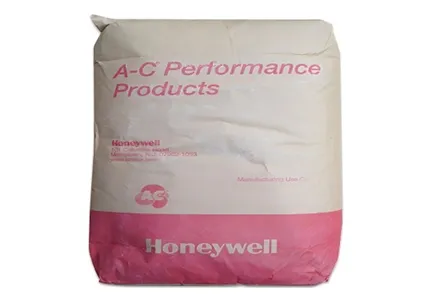
Dow XIAMETER PMX-1503 Fluid is a low-viscosity silicone in the XIAMETER personal care silicone series, designed for skin care, sun care and color cosmetic formulations. Formulated with ultra-low viscosity dimethicone blend, it features refreshing skin feel, excellent spreadability and film-forming properties

Efficient Softening Enhancement - Rapidly improves fabric softness, imparting delicate and skin-friendly touch
Dual Wrinkle Resistance Synergy - Enhances fabric wrinkle resistance, reduces wrinkles and improves flatness
Cost-Effective Advantage - Controllable cost, suitable for large-scale textile mass production needs
Easy Processing & Dispersion - Good fluidity, directly integrable into various textile finishing systems
Stable Performance - Chemically stable, does not affect the original color and characteristics of fabrics
Cotton Fabric Finishing - Pure cotton fabrics, cotton yarn products, improving softness, wrinkle resistance and skin-friendliness
Chemical Fiber Fabric Treatment - Polyester, nylon and other chemical fiber fabrics, improving rough hand feel
Blended Fabric Processing - Polyester-cotton, cotton-viscose blended fabrics, uniformly enhancing softening and wrinkle resistance
Knitwear Finishing - Knitted apparel, knitted home textiles, enhancing softness and elasticity retention
Home Textile Fabric Optimization - Bedding, curtains, fabrics, improving use comfort and appearance textur
| Brand | DOW |
| Product Type | Amino-Functional Silicone Polymer (Textile Softener) |
| Amine Content | 0.5~0.7% |
| Appearance | Translucent Liquid |
| Kinematic Viscosity (25℃) | 200~1200 cSt |
| Specific Gravity (25℃) | 0.98 |
| Non-Volatile Content | 98% (Typical) |
| Ionic Character | Weak Cationic (Typical) |
Q1: What is the primary function of XIAMETER PMX-1503 in formulations?
A: XIAMETER PMX-1503 is a low-viscosity, reactive silicone fluid designed primarily as a surface modifier and release aid. It imparts lubricity, improves substrate wetting, reduces surface tension, and enhances slip and mar resistance in coatings, inks, adhesives, and sealants.
Q2: Is PMX-1503 compatible with common polymer systems such as acrylics, polyurethanes, and epoxies?
A: Yes, PMX-1503 exhibits broad compatibility with many thermoset and thermoplastic resin systems, including acrylics, polyurethanes, and epoxy-based matrices. Its reactive silane functionality allows for covalent integration into crosslinking networks when appropriately formulated and cured.
Q3: How should PMX-1503 be incorporated into a formulation to ensure optimal performance?
A: PMX-1503 is typically added during the let-down or post-addition stage under moderate agitation. It is recommended to avoid high-shear mixing immediately after addition to prevent premature hydrolysis. Dosage depends on formulation requirements but generally ranges from 0.1% to 2% by weight of the total system.
Q4: Does PMX-1503 require special storage or handling conditions?
A: Yes. Store in tightly sealed containers under dry, cool conditions (below 30 °C) and protect from moisture and direct sunlight. Exposure to ambient humidity may lead to gradual hydrolysis and viscosity increase over time. Always follow standard industrial handling practices for reactive organosilicon compounds.
Contact With Us:
E-mail: wangxingqiang@ericwchem.com
Have a Questions? Call Us:
Add:
Building A1, Jiete Industrial Park, Huangpu District, Guangzhou City, Guangdong Province, China
 English
 Español
 tiếng việt
 русский