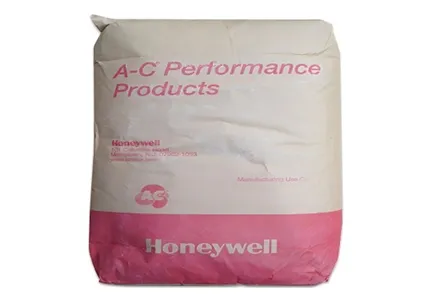
Evonik Dynasylan 9116 is a long-chain alkyl functional silane specifically designed to impart superior hydrophobic properties to various substrates. Its unique molecular structure provides excellent water repellency while maintaining low volatility and easy handling characteristics.

Superior Hydrophobicity - Creates strong water-repellent surfaces on treated materials
Low Volatility - Reduces VOC emissions and minimizes odor during application
Excellent Compatibility - Works effectively with both organic and inorganic substrates
Processing Stability - Prevents premature crosslinking in polyethylene compounds
Enhanced Durability - Forms weather and moisture-resistant chemical bonds with substrates
Concrete Protection - Waterproofing agent for construction materials and concrete surfaces
Mineral Filler Treatment - Surface modification for wollastonite and other mineral fillers
Polymer Compounds - Additive for silane-crosslinked polyethylene systems
Composite Materials - Compatibility enhancer in highly filled polypropylene compounds
Surface Coatings - Hydrophobic modifier for various coating and sealing applications
| Chemical Name | Hexadecyltrimethoxysilane |
| Appearance | Clear liquid |
| Alkyl Chain Length | C16 |
| Functionality | Hydrophobic modifier |
| Volatility | Low |
| VOC Emissions | Minimal |
| Solubility | Toluene, Petroleum ether |
| Recommended Usage | 0.5-1.5% in formulations |
Q1: What is the primary function of Dynasylan 9116 in composite formulations?
A: Dynasylan 9116 acts as a hydrophobic surface modifier and coupling agent, enhancing compatibility between inorganic fillers (e.g., silica, calcium carbonate) and organic polymer matrices by forming stable siloxane bonds with filler surfaces while its long alkyl chain imparts water repellency and improves dispersion stability.
Q2: How is Dynasylan 9116 typically applied to mineral fillers?
A: It is commonly applied via dry blending or solvent-assisted wet treatment—often using alcohols or aromatic hydrocarbons—as a pre-treatment step prior to compounding. The methoxy groups hydrolyze and condense under ambient or mild thermal conditions to form covalent Si–O–Si linkages with hydroxylated filler surfaces.
Q3: Is Dynasylan 9116 suitable for use in moisture-sensitive systems?
A: Due to its methoxy functionality, Dynasylan 9116 is moisture-reactive and requires careful handling under low-humidity conditions during storage and processing. Pre-hydrolysis is not recommended unless controlled in situ; formulations should minimize exposure to ambient moisture before full incorporation and curing.
Q4: What types of polymers benefit most from using Dynasylan 9116-modified fillers?
A: It delivers pronounced performance benefits in non-polar and semi-crystalline thermoplastics such as polypropylene (PP), polyethylene (PE), and thermoplastic elastomers, where improved filler dispersion, reduced melt viscosity, and enhanced mechanical retention under humid conditions are critical.
Contact With Us:
E-mail: wangxingqiang@ericwchem.com
Have a Questions? Call Us:
Add:
Building A1, Jiete Industrial Park, Huangpu District, Guangzhou City, Guangdong Province, China
 English
 Español
 tiếng việt
 русский