English
 Español
 tiếng việt
 русский
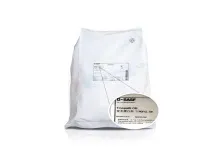
BASF Irgastat P-22 is a meltable long-lasting antistatic agent synthesized from polyamide and polyether hindered amines (HALS). It forms a fibrous conductive network inside polymers, which diverts static charges accumulated on the polymer surface and continuously eliminates surface charges of various polymers. Suitable for multiple resins (polyolefins, PP, PVC, etc.), it meets FDA certification for food packaging and is widely used in electronic production, cleanroom equipment, and chemical/electronic/food packaging.
Long-lasting charge elimination: Forms an internal conductive network in polymers for continuous surface static removal, with durable antistatic performance.
Broad polymer compatibility: Effective for PP, PE, PVC, TPU, PS, ABS, PS/ABS and other resins.
FDA compliant: Meets U.S. FDA standards, safe for food packaging material applications.
Multi-scenario adaptability: Suitable for electrostatic protection in electronic production, cleanrooms and industrial/military fields, preventing static-induced equipment damage.
Polymer processing: For PP, PE, PVC, TPU, PS, ABS, PS/ABS resin products (recommended addition level: 5%-15%).
Electronic & mining: Applied in electronic production equipment and mining tools (e.g., conveyor belts, tool handles, power switches) to avoid electrostatic damage.
Cleanroom supplies: Used for chip production equipment, sheet films and protective clothing in cleanroom environments.
Packaging & industrial/military components: Chemical, electronic and food packaging (e.g., bags, bulk boxes, crates, liners); commercial machine parts (e.g., computer casings) and industrial/military components (e.g., pipelines, transportation systems).
Brand | BASF |
Model | Irgastat P-22 |
Chemical Basis | Synthesized from polyamide and polyether hindered amines (HALS) |
Product Form | Meltable (suitable for polymer blending processing) |
Core Mechanism | Forms fibrous conductive network inside polymers to divert static charges |
Recommended Addition Level | 5%-15% (varies by polymer type and application scenario) |
Regulatory Compliance | U.S. FDA-certified (suitable for food packaging) |
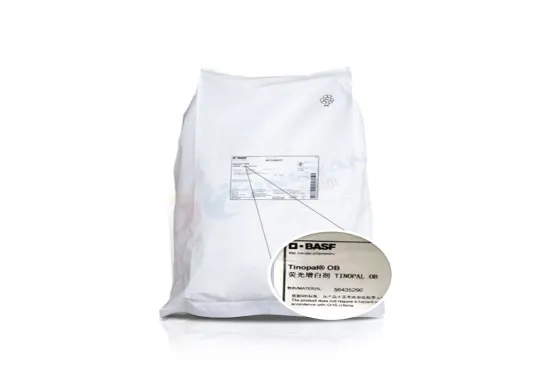
Packaging Specification | 20 kg/package |
Key Function | Continuous elimination of static charges on polymer surfaces |
Q1: What types of polymers is Irgastat P-22 compatible with?
A: Irgastat P-22 is primarily designed for use in polyolefins such as polyethylene (PE) and polypropylene (PP), including both homopolymers and copolymers. It also demonstrates good compatibility with certain engineering thermoplastics like ABS and PS, though performance should be verified experimentally for each specific formulation.
Q2: How does Irgastat P-22 achieve its antistatic effect?
A: Irgastat P-22 functions as an internal antistatic agent by migrating to the polymer surface during processing and service life. Its amphiphilic molecular structure enables it to absorb ambient moisture, forming a conductive layer that dissipates electrostatic charges effectively.
Q3: Is Irgastat P-22 suitable for applications requiring low extractability or food contact compliance?
A: Irgastat P-22 exhibits relatively low volatility and good thermal stability, contributing to reduced extractability under typical processing conditions. While it is not inherently approved for all food-contact applications, formulations may be evaluated on a case-by-case basis depending on regulatory jurisdiction, intended use, and final product testing.
Q4: What is the typical dosage range for Irgastat P-22 in polymer compounds?
A: Dosage depends on the base polymer, processing method, required surface resistivity, and environmental conditions. It is typically used at low concentrations—generally ranging from 0.1% to 2% by weight—with optimal performance often observed between 0.5% and 1.5% in polyolefin applications.
Contact With Us:
E-mail: wangxingqiang@ericwchem.com
Have a Questions? Call Us:
Add:
Building A1, Jiete Industrial Park, Huangpu District, Guangzhou City, Guangdong Province, China