Clariant Emulsogen A is a nonionic surfactant (HLB 12) designed for pesticide EC/EW formulations and industrial cleaners. Its alkylphenol ethoxylate structure enables stable emulsions with high-concentration oil phases (up to 50%), preventing phase separation under thermal and mechanical stress. Compatible with glyphosate, pyrethroids, and chlorinated solvents, it reduces interfacial tension without VOC emissions. The liquid form allows cold-process integration into pesticide concentrates and alkaline degreasers .

Oil-Loading Capacity – Emulsifies 40-50% oil content without crystallization .
Chemical Resistance – Stable with acidic/basic pesticides (pH 2-12) .
Thermal Durability – Maintains emulsion integrity at 60°C for 14 days .
Shear Stability – Withstands high-pressure homogenization (≥100 bar) .
Regulatory Compliance – REACH-registered with ≤1% VOC .
Glyphosate SL – Prevents salting-out in high-ammonium herbicide solutions .
Metalworking Cleaners – Disperses machining oils in alkaline spray washers .
Textile Scouring – Removes silicone oils from synthetic fabrics .
Chlorpyrifos EC – Stabilizes organophosphate concentrates in tropical climates .
Chemical Type | Nonionic Surfactant |
Appearance | Colorless to Light Yellow Liquid |
Brand | Clariant |
Model | Emulsogen A |
Active Ingredient | High Molecular Weight Polymer |
Solid Content | Approx. 100% |
pH Value (1% Solution) | 6.0-8.0 |
Density (20℃) | 1.01-1.05 g/cm³ |
Solubility | Soluble in Water and Organic Solvents |
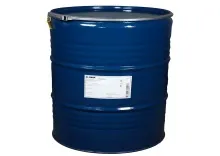
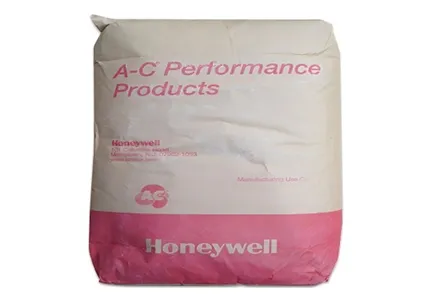
Packaging | 25kg/drum or 200kg/drum |
Origin | Germany |
Q1: What is the primary function of Emulsogen A in formulations?
A: Emulsogen A functions primarily as a stabilizing and solubilizing nonionic surfactant, particularly effective in forming and maintaining oil-in-water emulsions. It enhances interfacial activity and contributes to improved dispersion stability across a range of pH and electrolyte conditions.
Q2: Is Emulsogen A suitable for use in personal care applications?
A: Yes — Emulsogen A is widely used in rinse-off and leave-on personal care products, including creams, lotions, and cleansing formulations, where mildness, low foaming, and compatibility with common cosmetic actives and polymers are required.
Q3: How does Emulsogen A perform in hard water or high-ionic-strength systems?
A: As a nonionic surfactant, Emulsogen A exhibits good tolerance to hardness ions and maintains performance in moderately saline or high-ionic-strength environments, making it suitable for industrial cleaners and agrochemical concentrates where electrolyte stability is critical.
Q4: Can Emulsogen A be blended with ionic surfactants?
A: Yes — Emulsogen A is generally compatible with anionic, cationic, and amphoteric surfactants, enabling synergistic formulation benefits such as enhanced foaming control, improved emulsion viscosity, or better wetting behavior. Compatibility testing under specific formulation conditions is recommended.
Q5: What is the typical dosage range for Emulsogen A in emulsion systems?
A: Dosage depends on formulation requirements, but Emulsogen A is typically used at low concentrations — generally ranging from 0.1% to 2% by weight — with optimal levels determined through emulsion stability and rheological evaluation.
Contact With Us:
E-mail: wangxingqiang@ericwchem.com
Have a Questions? Call Us:
Add:
Building A1, Jiete Industrial Park, Huangpu District, Guangzhou City, Guangdong Province, China
 English
 Español
 tiếng việt
 русский