English
 Español
 tiếng việt
 русский
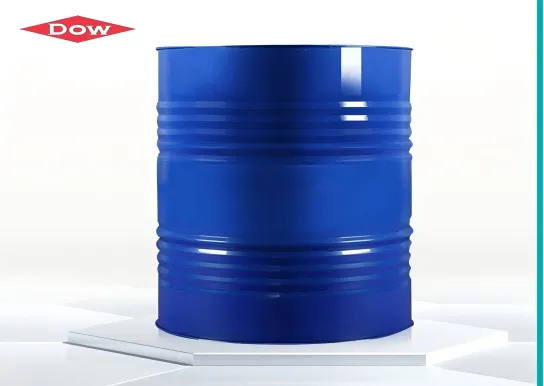
Dow Triethylene Glycol Monobutyl Ether is a high-quality high-boiling solvent in Dow's ethylene glycol ether (E-series) product line. Designed for diverse systems such as industrial cleaning, coatings & inks and fine chemicals, it is a multifunctional solvent with mild performance and excellent solvency, featuring full-system compatibility and high stability
Ultra-High Boiling Point & Stability - High boiling point and low volatilization, ensuring stability of high-temperature processing systems and extending construction window
Full-Range Solubility & Compatibility - Fully soluble with water and most organic solvents, suitable for various resins and oil stains
Mild & Low Irritation - Mild performance and non-irritating, suitable for household detergents and precision electronic cleaning
Excellent Wetting & Dispersion - With both wetting and dispersion functions, improving system uniformity and processing efficiency
Precision Cleaning Field - Used for cleaning integrated circuits and electronic components, efficiently removing oil stains without residue
Metal Surface Treatment - As metal cleaner to remove paint, oil stains and other contaminants on the surface, ensuring treatment effect
Coatings & Inks Systems - Used as high-boiling solvent and colorant carrier to improve film gloss and color stability
Fine Chemical Synthesis - Serves as organic synthesis intermediate to prepare high-performance derivatives
| English Alias | Butyltriglycol |
| CAS No. | 143-22-6 |
| Molecular Formula | C₁₀H₂₂O₄ |
| Molecular Weight | 206.2793 |
| Physical Form | Clear and transparent liquid |
| Purity (GC, Weight Ratio) | ≥ 92.0 % |
| Boiling Point (760 mmHg) | 272 ℃ |
| Freezing Point | -47.8 ℃ |
| Flash Point (Closed Cup) | 156 ℃ |
Q1: What is the primary function of Dow Triethylene Glycol Monobutyl Ether in industrial formulations?
A: It functions primarily as a high-boiling, water-miscible coalescing agent and solvent enhancer—especially effective in waterborne coatings, inks, and cleaning systems where improved film formation, viscosity control, and substrate wetting are required.
Q2: Is Dow Triethylene Glycol Monobutyl Ether compatible with common water-based polymer systems?
A: Yes—it demonstrates broad compatibility with acrylic, styrene-acrylic, vinyl acetate, and polyurethane dispersions, supporting stable formulation without significant impact on shelf life or freeze-thaw resistance when used within typical dosage ranges.
Q3: How does this ether compare to lower glycol ethers (e.g., propylene glycol monomethyl ether) in terms of evaporation rate and application performance?
A: With its triethylene backbone and butyl terminus, it exhibits significantly slower evaporation and higher boiling point than mono- or diethylene glycol ethers—making it especially valuable for extending open time in coatings and improving flow/leveling without excessive retardation of dry-through.
Q4: Can it be used in low-VOC or VOC-compliant formulations?
A: Yes—its relatively low vapor pressure and classification as a non-HAP solvent support its use in formulations targeting compliance with regional VOC regulations, though final regulatory status depends on local jurisdiction and total formulation composition.
Contact With Us:
E-mail: wangxingqiang@ericwchem.com
Have a Questions? Call Us:
Add:
Building A1, Jiete Industrial Park, Huangpu District, Guangzhou City, Guangdong Province, China