English
 Español
 tiếng việt
 русский
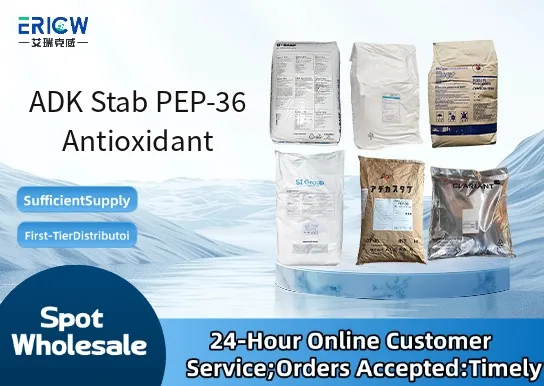
High-performance phosphite antioxidant offering exceptional melt stability during high-temperature polymer processing.
Excellent hydrolytic stability compared to conventional aryl phosphites, ensuring consistent performance in humid or aqueous environments.
Low volatility and superior thermal resistance, minimizing weight loss and discoloration in engineering thermoplastics.
Synergistic with hindered phenolic antioxidants (e.g., ADK Stab AO-20), enhancing long-term oxidative stability.
Non-staining and compatible with polyolefins, polyesters, and engineering plastics including PBT and PC blends.
Polypropylene (PP) fibers and injection-molded automotive components.
Polyethylene (PE) films and pipes requiring extended service life under thermal stress.
Polybutylene terephthalate (PBT) and polyethylene terephthalate (PET) engineering resins.
Recycled polymer streams where enhanced stabilization against thermo-oxidative degradation is critical.
Multi-layer coextruded packaging structures demanding low extractables and FDA-compliant stabilization.
| Chemical Type | Tris(2,4-di-tert-butylphenyl) phosphite |
| Product Form | Free-flowing white to off-white crystalline powder |
| Appearance | White crystalline powder |
| Molecular Weight | 738.9 g/mol |
| Melting Point | 195–200 °C (determined by DSC) |
| Assay (by HPLC) | ≥ 99.0% |
| Heavy Metals (as Pb) | < 5 ppm |
| Primary Applications | Polyolefins, engineering thermoplastics, recycled polymers |
Contact With Us:
E-mail: wangxingqiang@ericwchem.com
Have a Questions? Call Us:
Add:
Building A1, Jiete Industrial Park, Huangpu District, Guangzhou City, Guangdong Province, China