English
 Español
 tiếng việt
 русский
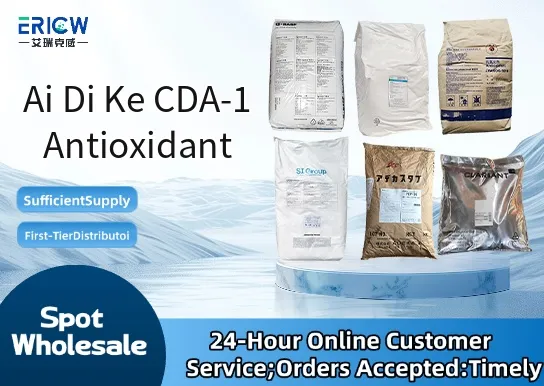
Highly effective phenolic antioxidant offering superior long-term thermal and oxidative stability.
Low volatility and excellent compatibility with polyolefins, styrenics, and engineering thermoplastics.
Non-staining and non-discoloring—ideal for light-colored and transparent polymer applications.
Meets stringent regulatory requirements including FDA 21 CFR §178.2010 and EU Directive 10/2011 for food-contact plastics.
Excellent hydrolytic stability—retains performance under humid processing and storage conditions.
Polypropylene (PP) fibers and spunbond nonwovens for medical and hygiene products.
Polyethylene (PE) blow-molded containers for food packaging and pharmaceutical secondary packaging.
Automotive interior components including PP instrument panels and door trims.
Electrical insulation materials based on polybutylene terephthalate (PBT) and polyphenylene oxide (PPO) blends.
Recycled polyolefin compounds requiring robust stabilization against reprocessing-induced degradation.
| Chemical Type | Synthetic hindered phenol |
| Product Form | Free-flowing white to off-white granules |
| Appearance | Uniform granular solid, no visible dust or agglomerates |
| Melting Point | 115–120 °C (by DSC, 10 °C/min) |
| Volatile Matter (105 °C, 2 h) | ≤ 0.3 wt% |
| Ash Content | ≤ 0.05 wt% |
| Primary Applications | Polyolefins, engineering plastics, recycled polymers |
| Key Features | Thermal stability, low migration, regulatory compliance |
Contact With Us:
E-mail: wangxingqiang@ericwchem.com
Have a Questions? Call Us:
Add:
Building A1, Jiete Industrial Park, Huangpu District, Guangzhou City, Guangdong Province, China