English
 Español
 tiếng việt
 русский
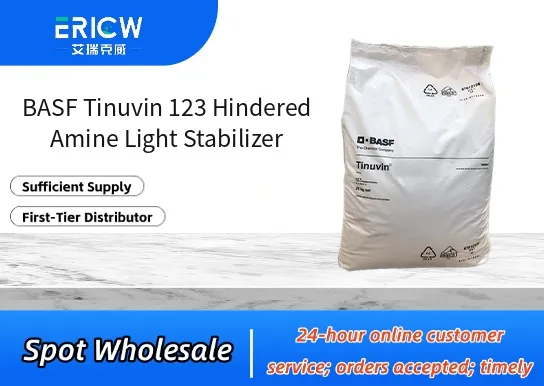
Highly effective hindered amine light stabilizer (HALS) with excellent long-term UV protection for polymers.
Low volatility and high thermal stability, enabling use in high-temperature processing such as injection molding and extrusion.
Good compatibility with a broad range of thermoplastics, including polyolefins, styrenics, and engineering plastics.
Non-migrating and non-discoloring—maintains clarity and color stability in sensitive applications.
Synergistic performance when combined with UV absorbers (e.g., Tinuvin 327) or antioxidants (e.g., Irganox 1010).
Automotive interior parts (dashboards, trim, seat fabrics) requiring durable UV resistance and low fogging.
Outdoor agricultural films (mulch films, greenhouse covers) exposed to intense solar radiation and elevated temperatures.
Polypropylene (PP) and polyethylene (PE) packaging for consumer goods, pharmaceuticals, and agrochemicals.
Technical fibers and geotextiles used in civil engineering and landscaping applications.
Coated and laminated substrates in architectural membranes and signage materials.
| Chemical Type | Hindered amine light stabilizer (HALS), bis(2,2,6,6-tetramethyl-4-piperidyl) sebacate |
| Product Form | Pellets or free-flowing powder |
| Appearance | White to off-white granules or powder |
| Molecular Weight | Approx. 577 g/mol |
| Melting Range | 65–75 °C |
| Primary Applications | Polyolefins (PP, PE), ABS, PS, PVC, polyesters, polyurethanes |
| Key Features | Low volatility, hydrolytic stability, non-basic HALS chemistry |
| Benefits | Extended service life, reduced surface cracking/chalking, minimal impact on mechanical properties |
Contact With Us:
E-mail: wangxingqiang@ericwchem.com
Have a Questions? Call Us:
Add:
Building A1, Jiete Industrial Park, Huangpu District, Guangzhou City, Guangdong Province, China