English
 Español
 tiếng việt
 русский
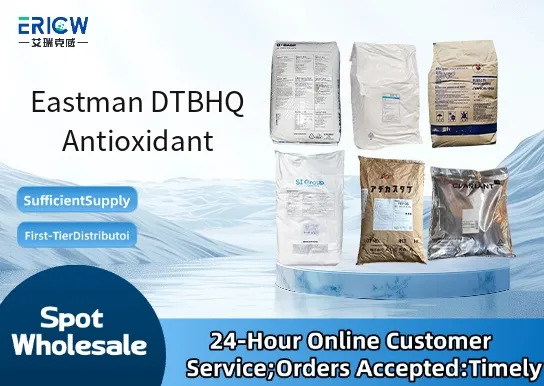
Highly effective hindered phenolic antioxidant for thermal and oxidative stabilization.
Excellent compatibility with a broad range of polymers, including polyolefins, styrenics, and engineering thermoplastics.
Low volatility and high melt stability, supporting high-temperature processing such as extrusion and injection molding.
Minimal color formation during processing and long-term aging, preserving product aesthetics.
Regulatory compliance aligned with major global food-contact and industrial safety standards (e.g., FDA 21 CFR §178.2010, EU Directive 10/2011).
Polypropylene (PP) and polyethylene (PE) fibers, films, and molded parts.
Styrenic resins including ABS, HIPS, and SAN for durable consumer goods.
Engineering plastics such as polybutylene terephthalate (PBT) and polyamide (PA) components.
Adhesives, sealants, and hot-melt formulations requiring extended service life.
Recycled polymer streams where enhanced oxidative resistance is critical to performance retention.
| Chemical Type | Hindered phenol (2,6-di-tert-butylhydroquinone) |
| Product Form | Free-flowing white to off-white crystalline powder |
| Appearance | Crystalline solid, odorless |
| Melting Point | 124–128 °C |
| Assay (by HPLC) | ≥ 99.0% |
| Volatility (150 °C, 2 hrs) | ≤ 1.0% weight loss |
| Solubility | Soluble in common organic solvents (e.g., acetone, toluene, chloroform); slightly soluble in water |
| Primary Applications | Polyolefins, styrenics, engineering thermoplastics, adhesives, recycled polymers |
Contact With Us:
E-mail: wangxingqiang@ericwchem.com
Have a Questions? Call Us:
Add:
Building A1, Jiete Industrial Park, Huangpu District, Guangzhou City, Guangdong Province, China