English
 Español
 tiếng việt
 русский
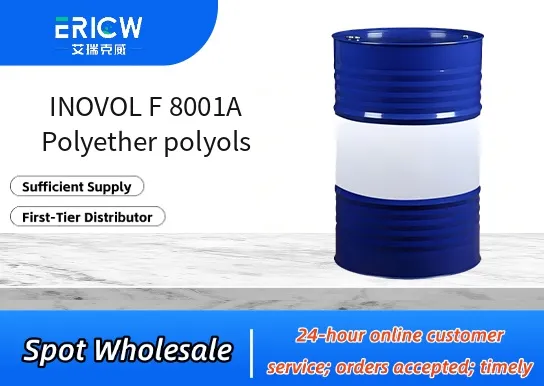
Highly consistent hydroxyl functionality (f ≈ 3.0) for predictable crosslink density in rigid PU foams.
Optimized molecular weight distribution to enhance foam dimensional stability and thermal insulation performance.
Low monool content (<0.5%) ensuring improved polymer network integrity and reduced shrinkage.
Excellent compatibility with common isocyanates (e.g., PMDI) and flame retardants used in construction-grade formulations.
Stable viscosity profile across storage temperatures (20–40 °C), supporting reliable metering and processing in continuous line operations.
Rigid polyurethane insulation boards for building envelope systems (walls, roofs, cold storage).
Spray-applied rigid foam for industrial pipe insulation and tank jacketing.
Structural sandwich panels in prefabricated construction and refrigerated transport.
High-efficiency appliance insulation (refrigerators, freezers, water heaters).
Fire-retardant PU formulations meeting EN 13501-1 Class B-s1,d0 or ASTM E84 Class A requirements.
| Chemical Type | Triol-based propylene oxide/ethylene oxide-capped polyether polyol |
| Product Form | Liquid |
| Appearance | Clear, pale yellow, homogeneous liquid |
| Hydroxyl Number (mg KOH/g) | 340–360 |
| Viscosity at 25 °C (mPa·s) | 250–350 |
| Water Content (wt%) | ≤0.05 |
| Acid Number (mg KOH/g) | ≤0.05 |
| Primary Applications | Rigid polyurethane foam insulation |
Contact With Us:
E-mail: wangxingqiang@ericwchem.com
Have a Questions? Call Us:
Add:
Building A1, Jiete Industrial Park, Huangpu District, Guangzhou City, Guangdong Province, China