English
 Español
 tiếng việt
 русский
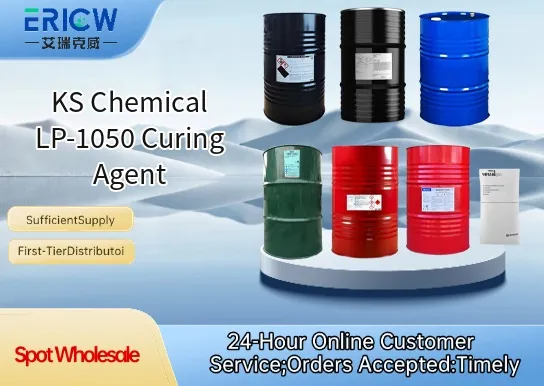
Low-viscosity liquid formulation for easy handling and homogeneous mixing with epoxy resins.
Room-temperature curing capability with rapid gel time and full cure within 24–48 hours.
Excellent adhesion to metals, composites, and concrete substrates without primer requirement.
Low exotherm profile ensuring minimal thermal stress in thick-section castings and encapsulations.
Compliant with REACH and RoHS directives; contains no added solvents or heavy-metal catalysts.
Electrical insulation and potting of transformers, reactors, and high-voltage components.
Structural adhesive bonding in wind turbine blade assembly and automotive composite parts.
Protective coating and lining for chemical storage tanks and corrosion-prone industrial equipment.
Encapsulation of sensors, PCBs, and aerospace electronic modules requiring thermal and moisture resistance.
Repair mortars and anchoring systems for civil engineering infrastructure projects.
| Chemical Type | Aliphatic polyamine adduct |
| Product Form | Clear to pale yellow liquid |
| Appearance | Homogeneous, low-viscosity liquid |
| Density (25°C) | 0.96–0.98 g/cm³ |
| Amine Value | 210–230 mg KOH/g |
| Reactivity (with DGEBA epoxy) | Gel time: 45–60 min at 25°C |
| Primary Applications | Epoxy resin curing for electrical, structural, and protective applications |
| Storage Stability | 12 months unopened at 15–25°C |
Q1: What types of resin systems is LP-1050 compatible with?
A: LP-1050 is specifically formulated for use with epoxy resins, including liquid bisphenol-A and bisphenol-F types, as well as certain cycloaliphatic epoxies. It is not recommended for use with polyurethane, polyester, or acrylic systems without prior compatibility testing.
Q2: How does LP-1050 affect pot life and cure speed compared to conventional amine curing agents?
A: LP-1050 offers a balanced reactivity profile—providing extended working time at ambient temperatures while enabling efficient post-cure development of mechanical and thermal properties. Its latency allows for improved processing window versus highly reactive aliphatic amines, without the excessive delay associated with dicyandiamide-based systems.
Q3: Is LP-1050 suitable for applications requiring low volatility and reduced amine blush?
A: Yes—LP-1050 is a low-volatility, non-blushing curing agent designed to minimize surface defects in humid or variable-cure environments. Its molecular structure reduces the tendency to form carbamates or ammonium carbonate deposits during ambient or elevated temperature cures.
Q4: What safety and handling precautions should be observed when using LP-1050?
A: As with all epoxy curing agents, LP-1050 requires appropriate personal protective equipment (PPE), including nitrile gloves, safety goggles, and adequate ventilation. It is classified as an irritant to skin and eyes; prolonged or repeated exposure should be avoided. Always consult the current Safety Data Sheet (SDS) before handling or formulating.
Contact With Us:
E-mail: wangxingqiang@ericwchem.com
Have a Questions? Call Us:
Add:
Building A1, Jiete Industrial Park, Huangpu District, Guangzhou City, Guangdong Province, China