English
 Español
 tiếng việt
 русский
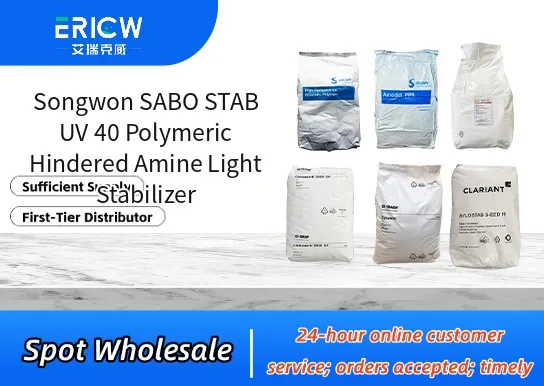
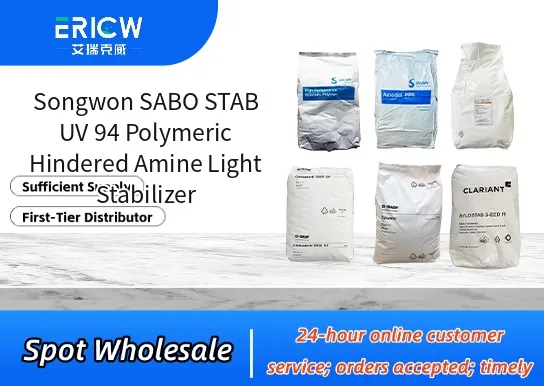
High molecular weight polymeric structure ensures excellent melt stability and minimal volatility during high-temperature processing.
Superior long-term light stabilization performance due to regenerative hindered amine mechanism (HALS).
Outstanding compatibility with polyolefins, including PP and HDPE, without blooming or plate-out issues.
Low extractability in aggressive media, enhancing durability in outdoor and automotive applications.
Non-basic HALS chemistry minimizes adverse interactions with acid-sensitive additives such as certain flame retardants or pigments.
Automotive exterior components (e.g., bumpers, trim, grilles).
Outdoor building & construction materials (e.g., siding, decking, roofing membranes).
Agricultural films and greenhouse covers requiring extended UV resistance.
Geotextiles and geomembranes exposed to intense solar radiation.
Consumer durable goods (e.g., garden furniture, storage containers, playground equipment).
| Chemical Type | Polymeric hindered amine light stabilizer (HALS) |
| Product Form | Pellets |
| Appearance | Off-white to light beige free-flowing pellets |
| Molecular Weight (approx.) | ~2,500 g/mol |
| Melting Range | 110–130 °C |
| Primary Applications | Polyolefins (PP, HDPE, LDPE), thermoplastic elastomers |
| Key Features | Low volatility, high compatibility, non-migrating, regenerative stabilization |
| Benefits | Extended service life under UV exposure, reduced surface cracking and chalking, improved color retention |
Contact With Us:
E-mail: wangxingqiang@ericwchem.com
Have a Questions? Call Us:
Add:
Building A1, Jiete Industrial Park, Huangpu District, Guangzhou City, Guangdong Province, China