English
 Español
 tiếng việt
 русский
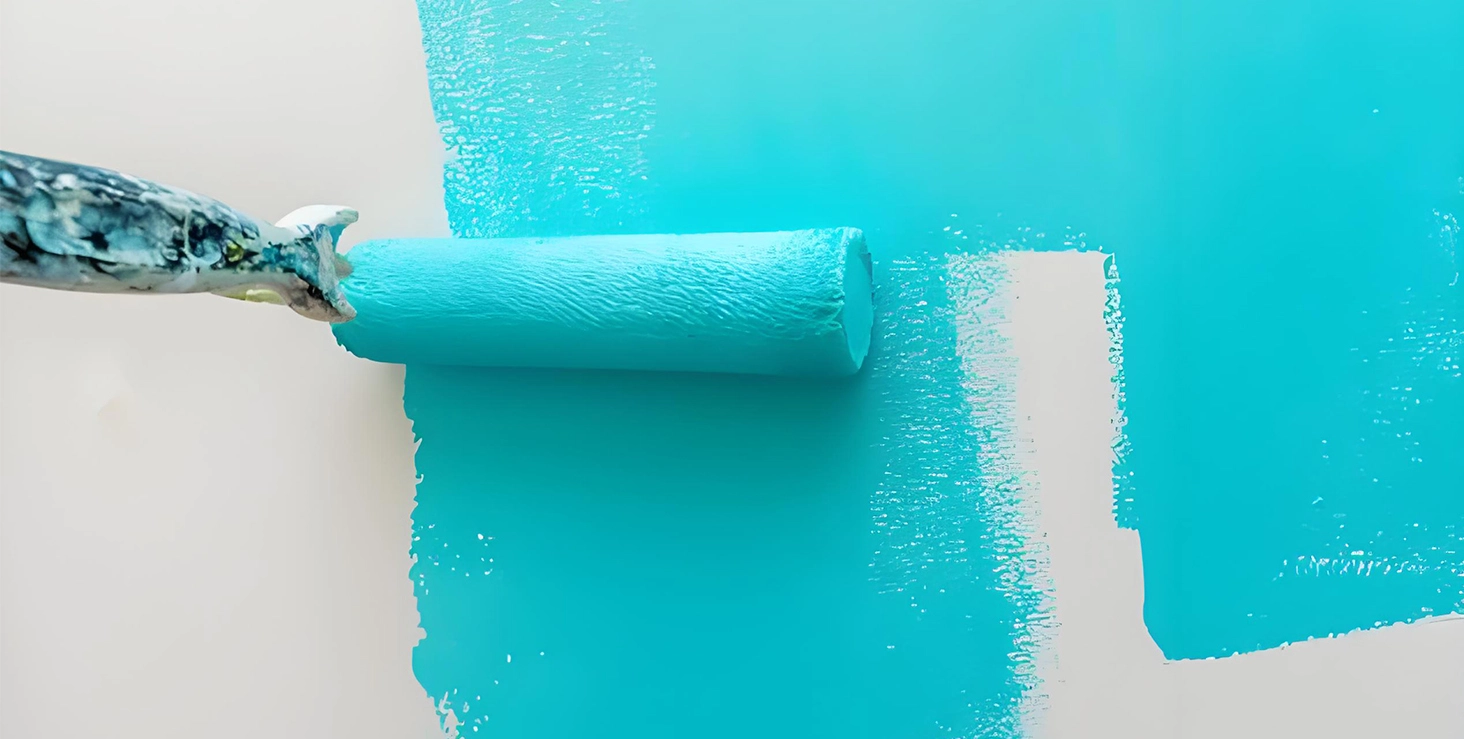
Specialized chemicals enhance durability, corrosion resistance, and adhesion in industrial coatings, ensuring long-lasting protection for machinery and infrastructure in harsh environments.
Specialized chemicals play a crucial role in coatings, enhancing their performance and meeting diverse needs.
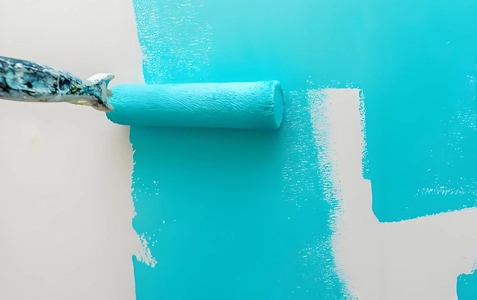
Specialty chemicals like curing agents, pigments, and additives are used to enhance the performance of industrial coatings. These chemicals improve the adhesion, durability, and corrosion resistance of coatings, making them ideal for protecting equipment and infrastructure in harsh industrial environments.
Specialty chemicals in industrial coatings offer enhanced durability, corrosion resistance, and improved surface protection. These chemicals ensure long-lasting finishes, reduce maintenance costs, and increase productivity, making them vital for industries like automotive, manufacturing, and infrastructure, where performance and efficiency are crucial.
A: Key additives for improving anti-corrosion performance include: anti-corrosive pigments (e.g., zinc phosphate, aluminum tripolyphosphate), corrosion inhibitors, wetting and dispersing agents (to ensure uniform pigment dispersion), and rheology modifiers (to control coating thickness). BASF's antioxidants and light stabilizers can also significantly enhance the durability of outdoor anti-corrosion coatings. ERICW provides complete anti-corrosion coating additive solutions.
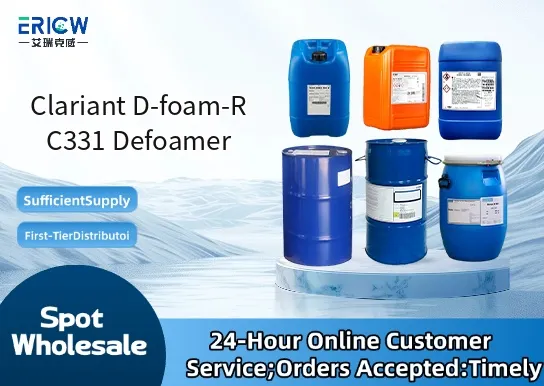
A: Foam control requires selecting the right defoamer. Key considerations include: balance between defoaming power and system compatibility, application method (spraying/rolling/brushing), and coating type (solvent-borne/waterborne). Waterborne industrial paints are more prone to foaming due to water's high surface tension (72.8 mN/m vs. 25-30 mN/m for solvents), demanding higher performance from defoamers. ERICW offers a range of defoamers and can recommend suitable products based on your system.
A: Due to its high specific surface area and strong agglomeration tendency, carbon black requires polymeric wetting and dispersing agents, particularly multi-anchor polymeric dispersants. For waterborne systems, polymeric dispersants are recommended, offering good dispersion performance, viscosity reduction, and storage stability. ERICW's dispersant portfolio includes both self-brand products and Evonik's international brand products.
A: Leveling improvement can be achieved through: adding leveling agents (silicone-based, acrylate-based, fluorocarbon-based), adjusting rheology modifiers to control viscosity, and optimizing solvent/water evaporation rates. Silicone leveling agents provide excellent leveling but may affect recoating; acrylate leveling agents offer better recoatability. ERICW can provide leveling agent selection advice and samples.
A: Outdoor coatings require both UV absorbers (UVA) and hindered amine light stabilizers (HALS) . Common UVA types include: benzophenones, benzotriazoles, and triazines. BASF's Tinuvin series (e.g., Tinuvin 1130, Tinuvin 234) are industry benchmarks. As an official BASF distributor, ERICW provides genuine light stabilizers and selection recommendations.
A: Waterborne industrial paint additives mainly include dispersants, wetting agents, defoamers, and thickeners. Selection considerations:
Dispersants: choose polymeric types with excellent chemical resistance
Wetting agents: waterborne systems have high surface tension — wetting agents must effectively reduce surface tension to wet substrates
Defoamers: balance defoaming power with system compatibility
Synergy: all additives must be compatible with the binder; otherwise, negative effects may occur
ERICW offers one-stop waterborne additive solutions to help customers optimize formulations.