English
 Español
 tiếng việt
 русский
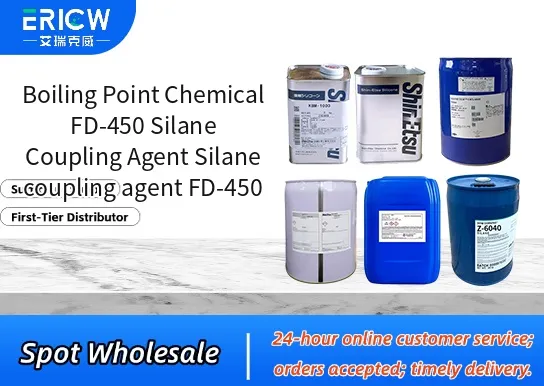
Highly reactive γ-glycidoxypropyl functional group enables strong covalent bonding with both inorganic substrates (e.g., glass, silica, metals) and organic polymers.
Excellent hydrolytic stability in anhydrous or low-moisture formulations, supporting extended shelf life and consistent performance.
Low volatility and high boiling point ensure minimal loss during high-temperature processing such as extrusion, curing, or compounding.
Compatible with a broad range of resins including epoxy, phenolic, polyester, and acrylic systems without compromising pot life.
Enables significant improvement in composite interfacial adhesion, moisture resistance, and mechanical durability (e.g., tensile strength, flexural modulus).
Fiber-reinforced polymer composites (e.g., E-glass, basalt, and mineral-filled thermosets).
Adhesives and sealants requiring enhanced substrate wetting and long-term bond integrity on metal or ceramic surfaces.
Coatings and inks for corrosion-resistant primers on aluminum, steel, and galvanized substrates.
Mineral-filled rubber compounds (e.g., silica-reinforced tires and industrial elastomers).
Engineering thermoplastics (e.g., polyamide, PBT, and polycarbonate) with glass fiber or talc fillers.
| Chemical Type | γ-Glycidoxypropyltrimethoxysilane |
| Product Form | Liquid |
| Appearance | Clear, colorless to pale yellow liquid |
| Density (25°C) | 1.07–1.09 g/cm³ |
| Refractive Index (25°C) | 1.428–1.432 |
| Boiling Point | 290–295°C (at 760 mmHg) |
| Flash Point | 118°C (closed cup) |
| pH (1% aqueous solution) | 4.0–5.5 |
Contact With Us:
E-mail: wangxingqiang@ericwchem.com
Have a Questions? Call Us:
Add:
Building A1, Jiete Industrial Park, Huangpu District, Guangzhou City, Guangdong Province, China