English
 Español
 tiếng việt
 русский
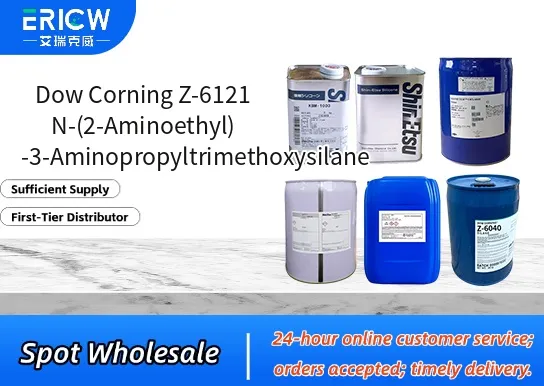
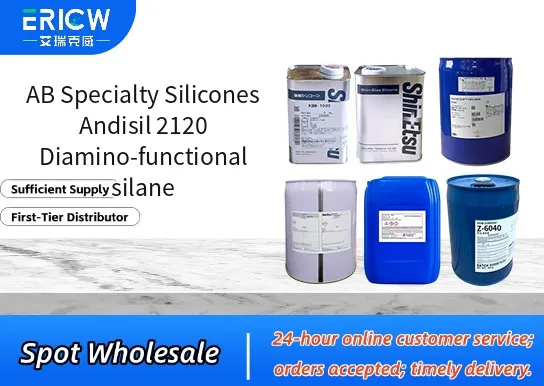
Bifunctional silane with two distinct primary amine groups—ethylene diamine and aminopropyl—enabling dual reactivity toward epoxy, isocyanate, carboxyl, and other electrophilic functional groups.
Trimethoxy substitution provides excellent hydrolytic stability in anhydrous formulations and rapid, controllable condensation upon moisture exposure.
Enhances interfacial adhesion between organic polymers (e.g., epoxies, polyurethanes, acrylics) and inorganic substrates such as glass, metals, and mineral fillers.
Acts as an effective coupling agent and adhesion promoter in high-performance composite systems requiring thermal and mechanical robustness.
Compatible with solvent-based, water-reducible, and low-VOC coating and adhesive formulations.
Epoxy-based structural adhesives for aerospace and automotive bonding.
Primerless adhesion promotion on aluminum, stainless steel, and fiberglass in protective coatings.
Surface modification of silica, clay, and calcium carbonate fillers in thermoset composites.
Moisture-curable polyurethane sealants and elastomers requiring enhanced substrate wetting and cohesive strength.
Functional additive in hybrid sol-gel coatings for corrosion protection and anti-graffiti performance.
| Chemical Type | Amino-functional alkoxysilane |
| Product Form | Liquid |
| Appearance | Clear, colorless to pale yellow liquid |
| Primary Applications | Adhesion promotion, filler surface treatment, hybrid polymer synthesis |
| Key Features | Bifunctional amine reactivity, trimethoxy silane, hydrolyzable alkoxy groups |
| Benefits | Improved composite interfacial strength, reduced delamination, enhanced moisture resistance |
| pH (1% aqueous solution) | ~10–11 |
| Storage Conditions | Store under dry, inert atmosphere at 15–25°C; protect from moisture and direct sunlight |
Contact With Us:
E-mail: wangxingqiang@ericwchem.com
Have a Questions? Call Us:
Add:
Building A1, Jiete Industrial Park, Huangpu District, Guangzhou City, Guangdong Province, China